

Why Is HDMI the Best Interface for Rapid TFT LCD Prototyping?
 2026-04-11
  20:35
20:35 

HDMI is the best interface for rapid TFT LCD prototyping because it eliminates custom driver coding through standardized video signals, enabling plug-and-play connectivity with Raspberry Pi and single-board computers. Unlike RGB, MIPI, or LVDS interfaces requiring complex firmware development, HDMI modules work instantly out-of-the-box.
Check: How Do HDMI Driver Boards Simplify LCD Integration for Rapid Prototyping?
What Makes HDMI Different from RGB/MIPI/LVDS for Prototyping?
HDMI stands out by using a standard video signal protocol built into operating systems like Raspberry Pi OS, Linux, and Windows, skipping custom drivers needed for RGB, MIPI, or LVDS. These alternatives demand timing tuning and device-tree changes, adding weeks to cycles, while HDMI offers instant plug-and-play with any HDMI-output device.
How Does Skipping Driver Coding Accelerate Your Prototype Timeline?
Skipping driver coding lets HDMI modules activate in seconds upon connection, cutting time-to-first-image from days to minutes without compilations or kernel updates. This enables fast UI/UX testing and iterations on real displays, reducing technical risks from custom driver bugs and shortening QA.
| Interface Type | Driver Development | Time-to-Display | Host Compatibility |
|---|---|---|---|
| HDMI | None (standard video) | <5 minutes | Universal (any HDMI device) |
| RGB | Custom (timing, GPIO control) | 2–4 weeks | Requires matched controller |
| MIPI DSI | Complex (display timing, power sequencing) | 3–6 weeks | Limited to specific SoCs |
| LVDS | Specialized (differential signaling tuning) | 2–5 weeks | Industrial controllers only |
Can HDMI Modules Handle Custom Sizes for Unique Product Designs?
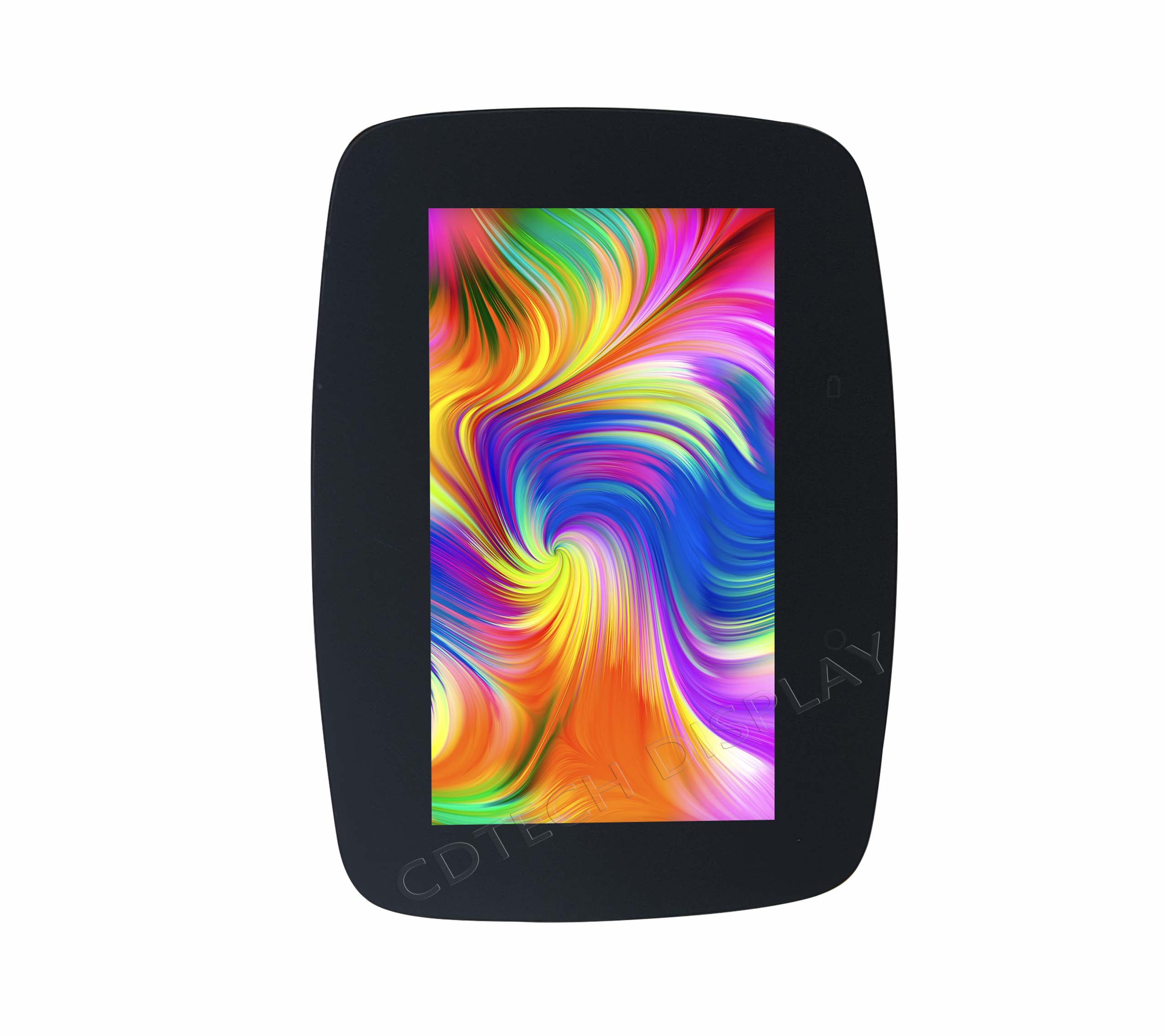
Yes, CDTech’s patented 2nd Cutting technology from 2017 enables custom sizes like 7.0″, 10.1″, 12.3″ bar-type, and others with integrated HDMI controllers. Their 10,000㎡ factory with 3,500㎡ Class 1000 cleanrooms supports 1-week prototype delivery for these, as in the 12.3″ S123BWU11EP-FC19-AF-HDMI09-A for dashboards.
Why Does HDMI Simplify the Prototype-to-Production Transition?
HDMI simplifies transitions by allowing scaling on the same modules without recoding or supplier switches, backed by CDTech’s $30M+ 2023 sales to 1,000+ customers. Quad certifications (ISO9001, IATF16949, ISO14001, ISO13485) ensure prototypes are production-ready for automotive and medical uses.
Which Industries Benefit Most from HDMI Prototyping Advantages?
Industrial control, medical devices, automotive, and smart-home industries gain most. HDMI enables quick HMI prototyping for machinery, diagnostic displays, dashboards like the 7.0″ S070SWV122ED-DC35, and IoT UIs, with CDTech’s certifications ensuring seamless scaling.
Check: LCD with Board
What Are the Key Technical Specifications of CDTech HDMI LCD Modules?
CDTech HDMI modules support resolutions like 800×480 on 7.0″ S070SWV122ED-DC35 (TN+CTP), 1280×800 on 10.1″ IPS+CTP, and 1920×720 on 12.3″ bar-type S123BWU11EP-FC19-AF-HDMI09-A with 900 nits and Type-C. They offer plug-and-play HDMI input for Raspberry Pi compatibility.
How Do HDMI Modules Compare to Specialized Interfaces in Real-World Scenarios?
HDMI integrates in hours versus weeks for RGB/MIPI, reducing PCB re-spins and costs. For pivots like swapping 7″ to 12.1″ S121IWX09EP-HDMI11-A (1280×800, 1000 nits), HDMI needs only a cable swap, unlike recoding for others.
What Advantages Does CDTech Offer for HDMI Prototyping and Scaling?
CDTech provides 35 software patents, 44+ utility/invention patents, ERP traceability since 2021, and 1-week custom prototypes via full in-house chain. Their 391+ SKUs and expert team optimize HDMI modules like 12.3″ bar-type for manufacturability.
CDTech Expert Views
“HDMI’s plug-and-play nature revolutionizes prototyping by bypassing driver complexities that plague RGB and MIPI integrations. At CDTech, our patented 2nd Cutting technology pairs with HDMI controllers to deliver custom-sized modules—like 12.3″ bar-types for automotive dashboards—in just one week. This vertical integration from cutting to OCA bonding, plus IATF16949 certification, ensures prototypes scale flawlessly to production, saving clients months and millions in redesigns.” – CDTech Engineering Director
Conclusion
HDMI transforms TFT LCD prototyping by enabling instant connectivity without driver coding, accelerating timelines from weeks to days. CDTech amplifies this with custom sizing via 2nd Cutting, quad certifications, and rapid delivery from their 10,000㎡ facility. Prototype on modules like 7.0″ HDMI+CTP or 12.3″ bar-type, then scale confidently to production. Contact sales@cdtech-lcd.com or visit www.cdtech-display.com to start.
Frequently Asked Questions
Do I need custom firmware for CDTech HDMI LCD modules?
No, they use standard OS video drivers. Connect to Raspberry Pi or PCs, adjust resolution settings, and display activates instantly—no coding unlike RGB or MIPI.
Can HDMI modules work with Raspberry Pi and Jetson Nano?
Yes, any HDMI-output SBC like Raspberry Pi 4 or Jetson Nano connects directly. Swap cables between hosts without recoding, supporting resolutions up to 1920×720 on CDTech models.
Are CDTech HDMI modules production-ready?
Yes, with ISO9001, IATF16949, ISO14001, and ISO13485 certifications, they meet automotive, medical, and industrial standards for direct scaling from prototypes.
How fast can I get a custom HDMI display from CDTech?
1-week delivery for custom sizes using 2nd Cutting, from their in-house 10,000㎡ facility. Standard HDMI like 10.1″ 1280×800 may ship off-the-shelf.
What’s HDMI vs. MIPI for prototyping?
HDMI offers universal plug-and-play in minutes; MIPI needs weeks of SoC-specific coding. CDTech HDMI suits rapid validation across hosts.
Post Search
Related Articles
-

Capacitive vs Resistive Touch Screen Car Stereo: Which Is Right for You?
-

TN LCD vs IPS LCD: How to Choose the Right Display for You
-

Capacitive Touch Panel or Resistive: Which Suits Your Needs?
-

Why Choose an IPS LCD Panel for Your Next Screen Purchase?
-

CDTECH to Showcase Cutting-Edge Display Solutions at SID 2025
-

Comparing Different Types of Displays in Cars: A Detailed Overview
-
White Spots on LCD Screen: Causes, Fixes & Industrial Solutions (2026 Guide)