
7-Inch TFT Screen Benefits: Industrial Applications and Design Advantages
 2026-11-26
 10:00


A 7-inch TFT screen offers a practical balance between display area, equipment size and user interaction. For industrial control panels, smart equipment and portable instruments, it can present essential information without requiring the space of a large monitor. However, the real benefits of a 7-inch TFT display depend on how well it supports daily operations, simplifies user interaction and integrates into the final product.
What Benefits Does a 7-Inch TFT Screen Bring to Industrial Equipment?
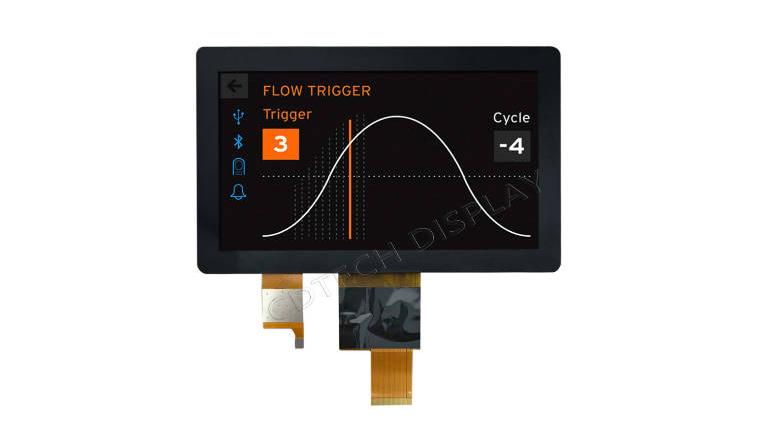
A 7-inch TFT screen can provide sufficient space for essential operating information while maintaining a compact equipment design. In industrial applications, this balance allows manufacturers to combine machine status, alarms and frequently used controls within a manageable display area.
Compared with smaller display formats, a properly designed 7-inch interface may reduce unnecessary page switching and improve access to important information. However, these benefits depend on interface layout, viewing distance and the complexity of the equipment rather than screen size alone.
Will a 7 inch TFT display reduce page switching?
Take a normal control page: current readings, active alarms and a short trend. If those items remain legible together, a user can follow a change without jumping between views. Tiny labels are the warning sign. At that point, split the page instead of forcing every item onto one canvas.
For an early check, print the everyday page and the crowded service page at final scale. Tape them behind the proposed window and step back to the working position. Check the smallest warning on each sheet. This crude mock-up quickly shows whether the 7-inch TFT screen has enough usable area.
Why Does a Compact Screen Size Matter in Equipment Design?
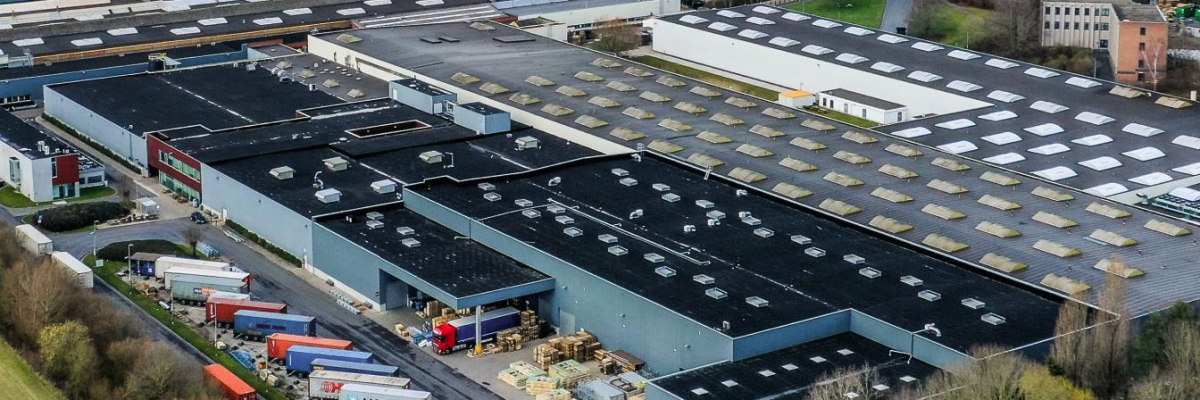
A 7-inch TFT module can help manufacturers preserve enclosure space for physical buttons, emergency stops, connectors and other essential components. This makes it suitable for industrial machines and embedded equipment where the available installation area is limited.
Unlike a finished monitor, an embedded TFT module can be integrated into the manufacturer’s own mechanical and electronic design. However, cable routing, mounting dimensions, host compatibility and power requirements must still be verified for the selected model. The advantage lies in achieving a practical balance between display functionality and equipment integration.
Where Are 7-Inch TFT Displays Commonly Used?
The advantages of a 7-inch TFT display become clearer when examined through real equipment applications. Industrial control systems, smart appliances and portable instruments require different interface functions, but all can benefit from a compact screen that presents essential information clearly.
Industrial Control Panels and HMI Systems
In industrial automation, a 7-inch TFT screen can serve as the main interface between operators and equipment. It can display operating parameters, alarm notifications, machine status and basic process information on one screen.
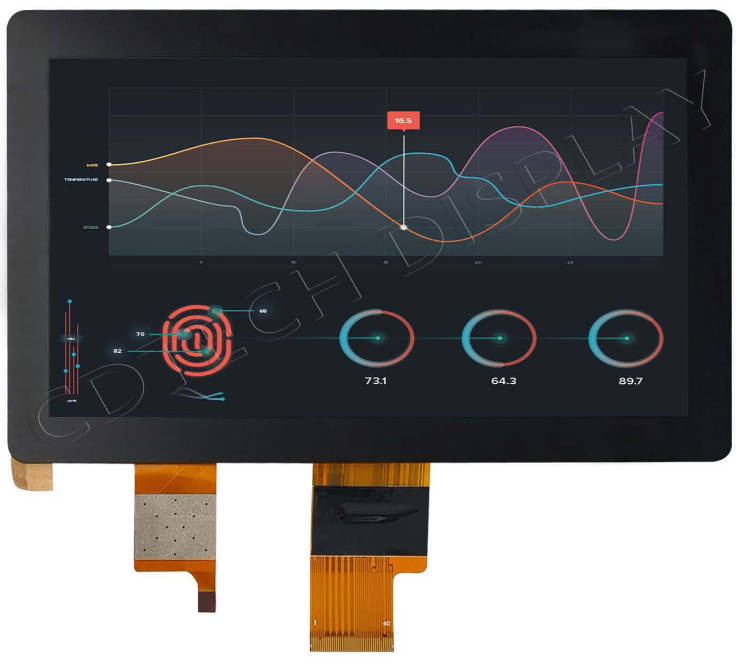
For example, a compact control panel may show pressure readings, operating status and active warnings together. When this information remains readable, operators can identify abnormal conditions without navigating through multiple screens. This can make routine monitoring more convenient and reduce unnecessary interactions.
Smart Appliances and Embedded Equipment
Smart appliances and embedded systems often require a visual interface without significantly increasing product dimensions. A 7-inch TFT display can support graphical menus, status indicators and step-by-step operating instructions within a relatively compact front panel.
Applications may include smart kitchen equipment, automated dispensing systems and other devices requiring intuitive user interaction. The value of the display comes from presenting useful information in a format that matches the intended user workflow.
Portable Instruments and Measurement Devices
Portable instruments may use a 7-inch TFT screen to display measurement results, graphical trends and menu options while leaving space for physical controls.
For equipment with frequently changing settings, a touchscreen can provide direct selection. However, instruments that rely on fixed buttons may benefit from a non-touch configuration. Manufacturers should evaluate the input method according to the actual operating task rather than assuming that touch functionality is always necessary.
Does touch improve the task?
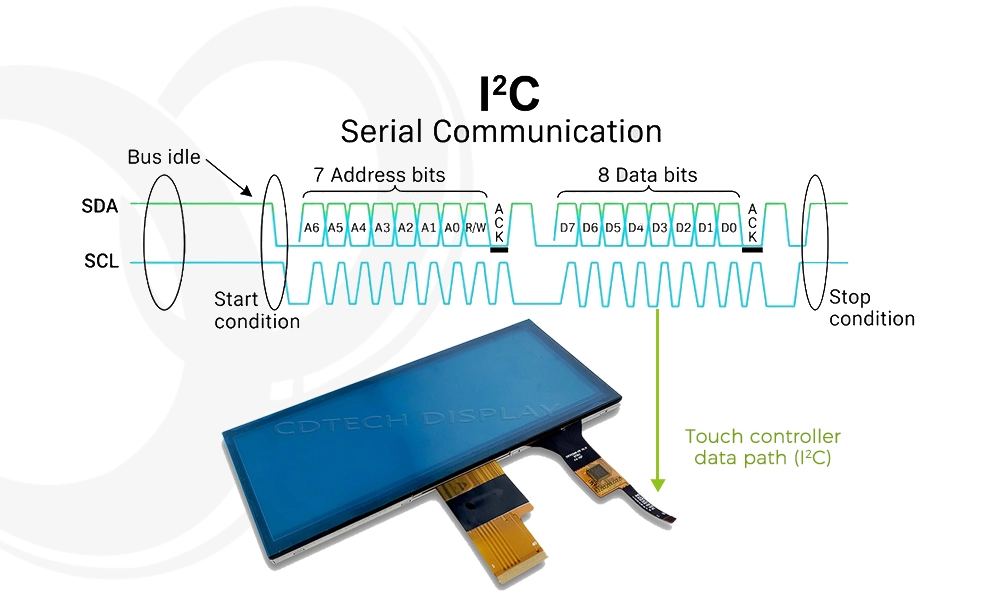
Consider the actual gesture. Selecting a list item directly may save time; replacing three familiar keys may not. A 7 TFT touch screen brings its own sensor, controller, cover and cable, and touch data can use a different connection from the LCD image. The hardware and software plan must account for both paths.
Test the planned stack, not an uncovered sample. Use the intended glass thickness and bonding, then check the controller, interface, gestures and cleaning method. Gloves and water belong in this trial whenever they belong in the use environment. For equipment that already has an effective input device, a no-touch 7-inch TFT screen avoids work that brings no user benefit.
What Affects the Everyday Performance of a 7-Inch TFT Screen?
The everyday performance of a 7-inch TFT screen depends on how the display behaves inside the finished equipment. Ambient lighting, enclosure design, viewing position and operating temperature can all affect the user experience. These factors should be evaluated in the intended application rather than judged only from a display specification sheet.
How Can Display Readability Improve Operator Experience?
A readable display helps operators recognize information quickly and reduces the need to change their viewing position. Higher luminance may improve visibility in bright environments, while IPS technology can be useful when equipment must be viewed from different angles.
However, surface reflections, cover-glass treatment and installation conditions also influence readability. Manufacturers should test representative operating pages, warning messages and graphics under realistic lighting conditions. The objective is not simply to select the brightest display, but to ensure that essential information remains visible during normal use.
Where should temperature be measured?
Place one temperature probe in the surrounding air and another near the display electronics. A sealed box, heater or power board can create a noticeable gap between them. Then check which limit applies to the panel, backlight driver, touch controller and host. The lowest applicable limit may sit outside the LCD cell itself.
The verified records for some seven-inch modules state an operating range of -20°C to +70°C. That is a model-specific figure, not a rating for the customer’s whole unit. Prototype notes should cover cold or hot startup, restart, touch input and the image, alongside the two temperature readings.
How Can CDTech Support Different 7-Inch TFT Applications?
CDTech offers documented 7-inch TFT LCD configurations that can be evaluated for different equipment requirements. Rather than focusing on specifications alone, manufacturers should consider how each display supports the intended application, operator interaction and available installation space. The following examples illustrate different integration options for industrial and embedded devices.
What do three verified module records tell us?
Consider a host with RGB output and a requirement for capacitive touch. S070SWV95HD-DC128 matches that starting point with a 7.0-inch 800×480 TN panel and I2C touch. Its model record also lists -20°C to +70°C operation. Those facts can be checked against the host and thermal brief before a sample is chosen.
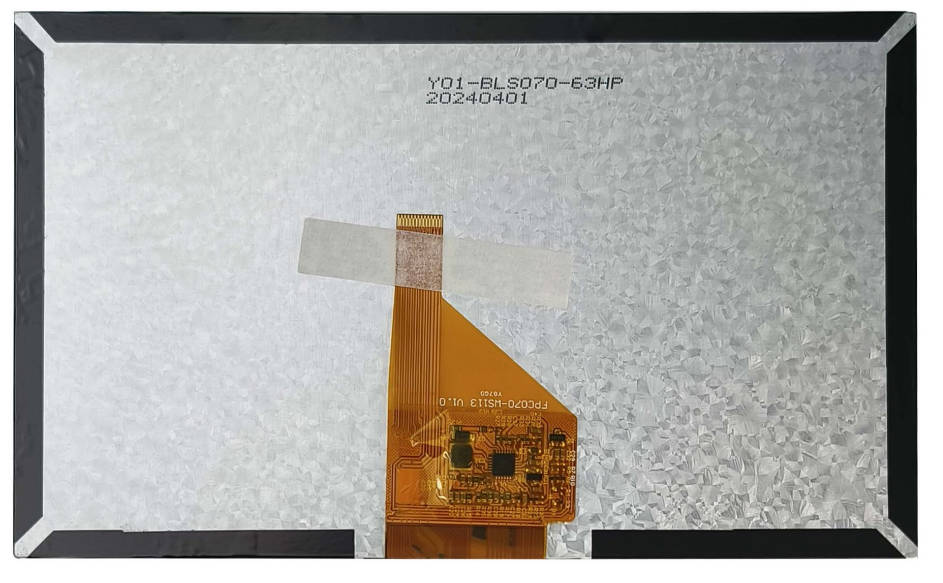
The other two records answer different interface choices. S070BWS45FD-DC85 combines a 7.0-inch 1024×600 IPS panel, 1000-nit luminance, LVDS and I2C. S070BWS113HP keeps the 7.0-inch 1024×600 IPS format, changes the LCD connection to MIPI and omits touch. The useful question is not which list is longest, but which connection and input plan matches the device.
What should an OEM send with the enquiry?
Send the normal and busiest page layouts, viewing position, required resolution and luminance, LCD output from the host, and the intended touch path. Add the mounting drawing, cable direction, temperature profile and duty cycle. With that brief, we can compare verified fields and identify what still needs a sample or custom display engineering.
One final physical check is worth doing before quotation. Place the module outline over the enclosure drawing and follow the cable with a finger. Look for cover depth, connector clearance, mounting pressure and service access. Then load the alarm page at full scale. If both the mechanics and the page work, the 7-inch TFT screen has a defensible place in the design.
For manufacturers who need a more detailed technical selection process, CDTech’s 7 Inch LCD touch screen guide provides additional information about resolution, interfaces, touch integration, optical bonding and environmental requirements. This article focuses on the practical benefits and application value of 7-inch TFT displays, while the specification guide supports detailed engineering and purchasing decisions.
FAQ
Q: What Are the Main Benefits of a 7-Inch TFT Screen?
A: A 7-inch TFT screen offers a practical balance between display area, equipment size and information visibility. It can help industrial equipment present operating data, alarms and frequently used controls within a compact interface.
Q: When does a 7 TFT touch screen make sense?
A: Touch makes sense when direct selection shortens a task or when controls must change with the software. If a few fixed keys already cover every action, the extra sensor, cover, controller and cable may offer little value.
Q: Which Applications Can Benefit from a 7-Inch TFT Display?
A: Common applications include industrial HMI systems, smart appliances, embedded control panels and portable measurement instruments. The suitability of a 7-inch TFT display depends on the required information, viewing conditions, available installation space and operator interaction needs.
Post Search
Related Articles
-
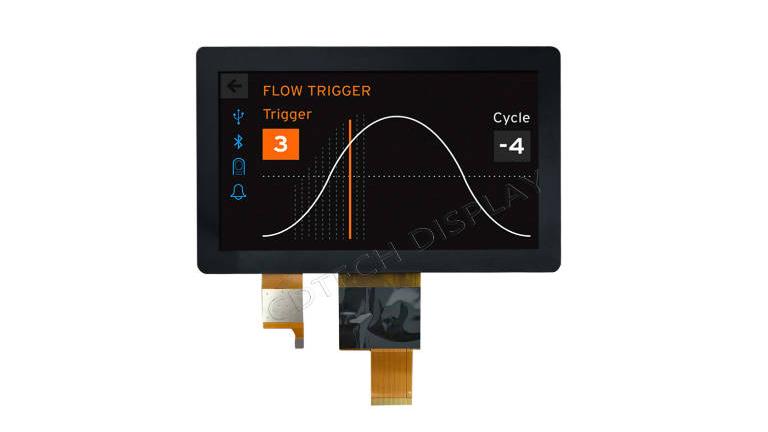
7-Inch TFT Screen Benefits: Industrial Applications and Design Advantages
-
Vertical and Horizontal Lines on TFT LCD Displays: Causes and Engineering Failure Analysis
-
1280×720 TFT LCD Display: HD Resolution Features, Interfaces and Industrial Applications
-
4K TFT LCD Display: Features, Interfaces and Industrial Applications
-
What Is I2C Protocol? Working Principles and Applications in TFT LCD Touch Modules