

How Many Actuations per Point Do Industrial Touch Screens Really Need?
 2026-04-11
  20:31
20:31 

Industrial touch screens rate actuations per point at approximately 35 million taps for resistive (RTP) versus 100+ million taps for capacitive (PCAP) technology, per ASTM F1637 standards. PCAP excels in precision and longevity for automotive and industrial applications, while RTP suits gloved operation in cost-sensitive environments. CDTech’s quad-certified modules enhance durability through patented 2nd Cutting technology and OCA optical bonding, delivering vibration-resistant solutions proven across 1,000+ global customers in harsh industrial settings.
Check: Which Touch Technology Wins: PCAP vs Resistive for Medical vs Factory Floors?
What Are Actuations per Point in Touch Screen Durability?
Actuations per point measures the number of taps a single touch location withstands before experiencing a 10% failure rate—a critical metric for touch screen lifespan and industrial endurance. Testing occurs via ASTM F1637 protocols using 1N force at 2Hz cycling rates. Real-world factors including vibration, temperature extremes, and moisture accelerate wear in automotive dashboards and factory HMI panels. CDTech’s 44+ patents and 391+ SKUs ensure reliable performance metrics across custom TFT LCD integrations designed for harsh environments where touch durability directly impacts production uptime and device reliability.
Why Compare 35 Million Versus 100 Million Taps?
Resistive touch panels degrade at ~35 million taps due to mechanical layer compression—polyester spacers lose elasticity over repeated contact cycles. Capacitive panels exceed 100 million taps because their ITO conductive grid contains no moving parts, relying instead on surface capacitance detection. This 3x endurance advantage matters for industrial applications: RTP suits gloved operation and cost-sensitive deployments, while PCAP delivers high-precision, multi-touch functionality in medical devices and automotive systems operating across -30°C to +85°C temperature ranges.
| Technology | Actuations per Point | Wear Mechanism | Best Applications |
|---|---|---|---|
| Resistive (RTP) | ~35 million taps | Mechanical friction on polyester spacers | Gloved use, cost-sensitive industrial controls |
| Capacitive (PCAP) | 100+ million taps | Surface ITO etching resistance | Automotive dashboards, medical devices, industrial HMI |
What Causes Resistive Touch Wear Versus Capacitive Durability?
Resistive touch wear stems from mechanical fatigue: repeated dome pressure compresses the polyester spacer layer, causing electrical drift and false readings. CDTech’s full vertical integration—from LCD cutting through CTP assembly to OCA bonding—optimizes stack compression for extended life. Capacitive durability derives from ITO’s inert surface properties and absence of moving components. CDTech’s OCA optical bonding further enhances impact resistance by eliminating air gaps, protecting against environmental contamination that accelerates field failures in rugged industrial deployments.
How Does CDTech Ensure High Actuations per Point Performance?
CDTech leverages quad certifications (ISO9001, IATF16949, ISO13485, ISO14001) and ERP traceability systems implemented in 2021 to guarantee consistent projected capacitive actuation life across every unit. The company’s patented 2nd Cutting technology enables custom LCD sizes—such as 12.3″ 1920×720 automotive panels—paired with optimized PCAP/RTP assemblies. Operating from a 10,000㎡ facility featuring 3,500㎡ of Class 1000 clean rooms, CDTech delivers $30M+ annual sales to global OEMs, demonstrating 13+ years of proven manufacturing excellence in touch durability.
Which Applications Demand 100 Million+ Tap Ratings?
Automotive dashboards require 100+ million actuations due to constant vibration, temperature cycling, and heavy daily operator interaction. Industrial HMI panels running 24/7 in factories demand extreme endurance for critical control interfaces. Medical devices prioritize multi-touch precision in sterile environments where reliability directly impacts patient safety and device certification. CDTech’s portfolio of 391+ SKUs includes automotive-grade displays with extended temperature ranges and industrial solutions featuring anti-glare and anti-fingerprint coatings, proven across 1,000+ customers in mission-critical applications.
Check: LCD with Touch
How Should Engineers Test and Verify Touch Screen Endurance?
Standard validation follows ASTM F1637 automated cycling protocols, extended to include multi-point simultaneous taps, gloved finger simulation, and wet-condition testing. CDTech’s industry-leading equipment within its 3,500㎡ clean rooms ensures prototypes demonstrate 100+ million tap survival before shipment. Engineers should request sample validation cycles specific to their application environment—vibration profiles, temperature swings, moisture exposure—to confirm real-world performance. Contact sales@cdtech-lcd.com to arrange custom endurance testing tailored to your deployment scenario.
Can Custom Solutions Boost Actuations per Point Beyond Standard Ratings?
Yes. CDTech’s 35 software patents and full vertical integration—combining optimized TFT LCD stacks with CTP assembly and OCA lamination—enable actuations per point exceeding generic industry benchmarks. Stretched bar LCDs for automotive dashboards receive enhanced structural reinforcement against vibration-induced wear. Custom thickness tuning, adhesive formulation optimization, and precision glass bonding collectively push capacitive panels toward 120+ million taps in CDTech-enhanced configurations. Explore the industrial LCD display category at cdtech-display.com to discover 391+ options engineered for maximum touch durability.
CDTech Expert Views: “Our patented 2nd Cutting technology, introduced in 2017, enables custom LCD sizes unavailable from standard panel suppliers, paired with precision PCAP/RTP integration optimized for 100+ million tap survival under heavy vibration. Operating Class 1000 clean rooms across 3,500 square meters ensures every unit meets automotive IATF16949 standards. Customers report 80% faster prototyping cycles and zero field failures when leveraging our full vertical integration—from glass cutting through OCA optical bonding—a competitive advantage proven across $30+ million in 2023 sales to 1,000+ global OEMs in automotive, medical, and industrial sectors.”
What Performance Metrics Should OEMs Specify When Sourcing Touch Displays?
OEMs must specify actuations per point targets aligned with duty cycle expectations: gloved industrial control panels typically specify 50+ million taps minimum; automotive dashboards demand 100+ million; medical-grade interfaces require 120+ million with sealed construction. Environmental factors matter equally—temperature range (-30°C to +85°C for automotive), vibration profile (per MIL-STD-810 for rugged deployments), and humidity resistance. CDTech’s ISO13485 certification supports medical applications, while IATF16949 covers automotive OEM requirements. Request detailed validation reports demonstrating cycle-tested performance under your specific environmental profile.
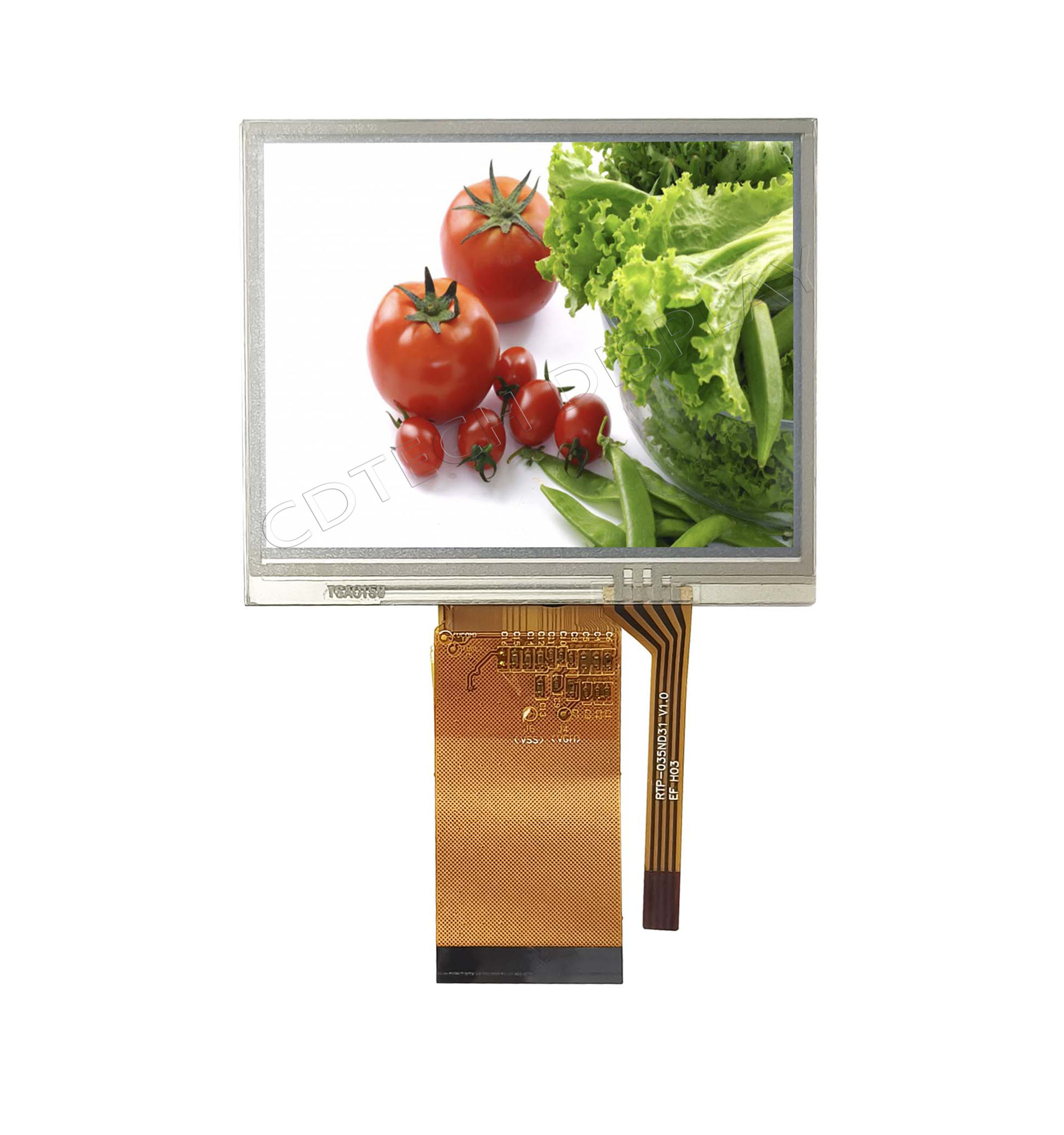
| Application Vertical | Recommended Minimum Actuations | Temperature Range | CDTech Certification |
|---|---|---|---|
| Industrial HMI / Control Panels | 50+ million taps | -20°C to +70°C | ISO9001, ISO14001 |
| Automotive Dashboard / Cluster | 100+ million taps | -30°C to +85°C | IATF16949 |
| Medical Device Interface | 120+ million taps | -20°C to +70°C | ISO13485 |
How Do OCA Optical Bonding and Anti-Glare Coatings Extend Touch Life?
OCA (Optically Clear Adhesive) optical bonding eliminates air gaps between LCD and cover glass, dramatically improving impact resistance and reducing environmental ingress that degrades ITO electrodes over time. Anti-glare surface treatments scatter light to improve outdoor readability while providing additional scratch protection for capacitive sensor arrays. CDTech’s full in-house lamination capability—established in 2019—ensures consistent bonding quality across production runs, directly correlating to extended actuations per point ratings. Combined with anti-fingerprint coatings, these enhancements protect touch durability in high-traffic industrial and automotive environments.
What Do Industry Standards Say About Touch Screen Actuations?
ASTM F1637 establishes the testing protocol: 1-Newton force applied at 2Hz cycling rate until 10% of test points fail—the industry-standard definition of end-of-life for touch durability. ISO 20965 supplements this for automotive-specific requirements. Manufacturers like CDTech exceed these baselines through precision manufacturing: quad certifications ensure compliance, while ERP traceability systems document every unit’s quality pedigree. Understanding these standards helps OEMs differentiate between commodity displays and mission-critical solutions engineered for harsh environments where touch reliability drives uptime and cost-of-ownership calculations.
Conclusion
Touch screen actuations per point represent a fundamental durability metric separating industrial-grade solutions from consumer-class displays. Capacitive technology’s 100+ million tap advantage over resistive panels’ 35 million taps directly reflects their suitability for automotive dashboards, medical devices, and factory HMI interfaces. CDTech’s quad-certified manufacturing, patented 2nd Cutting technology, and full vertical integration—spanning LCD glass cutting through OCA optical bonding—deliver actuations per point performance exceeding industry benchmarks. With 13+ years of experience, $30+ million in 2023 sales, and 1,000+ global customers trusting CDTech for mission-critical deployments, the company’s 391+ SKU portfolio ensures OEMs find precisely engineered solutions maximizing touch durability and minimizing field failures. Contact sales@cdtech-lcd.com to specify your custom display solution with validated actuations per point performance today.
FAQs
What is the standard actuations per point rating for PCAP touch screens?
Typically 100+ million taps per ASTM F1637 testing protocols. CDTech’s OCA optical bonding and precision manufacturing often exceed this baseline, delivering 120+ million taps in automotive and medical applications where durability demands justify custom optimization.
Why do resistive touch screens rate only 35 million taps compared to capacitive?
Resistive panels rely on mechanical dome compression, causing polyester spacer fatigue over time. Capacitive panels use inert ITO conductive grids without moving parts, inherently supporting 3x longer operational life before failure occurs.
Does CDTech offer custom testing for actuations per point validation?
Yes. CDTech’s industry-leading test equipment within Class 1000 clean rooms enables custom cycling protocols matching your specific vibration, temperature, and environmental profiles. Contact sales@cdtech-lcd.com to arrange prototype validation.
How does CDTech’s patented 2nd Cutting technology improve touch durability?
2nd Cutting enables custom LCD sizes with optimized structural reinforcement and precision PCAP/RTP integration, reducing vibration-induced wear and improving impact resistance—directly translating to higher actuations per point ratings in automotive and industrial deployments.
What certifications back CDTech’s touch durability and actuations per point claims?
CDTech holds ISO9001, IATF16949, ISO13485, and ISO14001 certifications, validated by $30+ million in 2023 sales and 1,000+ global customers operating across automotive, medical, and industrial sectors where touch reliability is mission-critical.
Post Search
Related Articles
-
Capacitive vs Resistive Touch Screen Car Stereo: Which Is Right for You?
-
TN LCD vs IPS LCD: How to Choose the Right Display for You
-
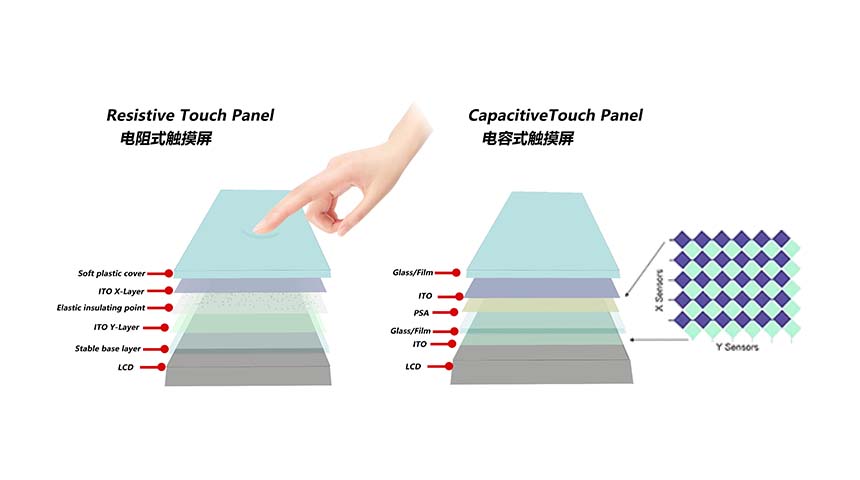
Capacitive Touch Panel or Resistive: Which Suits Your Needs?
-
Why Choose an IPS LCD Panel for Your Next Screen Purchase?
-
CDTECH to Showcase Cutting-Edge Display Solutions at SID 2025
-
Comparing Different Types of Displays in Cars: A Detailed Overview
-
White Spots on LCD Screen: Causes, Fixes & Industrial Solutions (2026 Guide)