

Why Does IPS Still Dominate Automotive Displays in 2026?
 2026-05-13
  22:16
22:16 

IPS technology continues to lead automotive displays in 2026 due to its exceptional durability, consistent color performance, and resistance to burn-in under static UI conditions. Long-term testing shows IPS maintains up to 99% color accuracy after 50,000 hours, while OLED faces degradation in high-temperature environments, making IPS the preferred solution for safety-critical instrument clusters.
OLED vs IPS monitor: ultimate guide to choosing the best display for gaming and work
What Are the Key Differences Between IPS and OLED in Automotive Displays?
IPS relies on liquid crystal alignment with a stable backlight, ensuring uniform brightness and long-term reliability. OLED uses self-emissive organic pixels that degrade over time, especially under static content. In automotive use, IPS provides predictable aging and stable performance, while OLED offers higher contrast but introduces risks in durability and lifecycle consistency.
At CDTech’s Shenzhen manufacturing base, IPS modules consistently pass automotive-grade validation due to their stable electrical and optical characteristics, making them suitable for long-term deployment.
Why Does IPS Achieve Better Durability Benchmarks in 2026?
IPS achieves superior durability because it avoids organic emissive materials that degrade under prolonged usage. This structural advantage ensures minimal luminance decay and color shift over time.
CDTech’s internal testing shows IPS displays used in industrial and automotive environments maintain performance with less than 1% brightness variation after tens of thousands of hours. These results align with 2026 field benchmarks confirming IPS leadership in long-life applications.
How Does Static UI Reliability Affect Display Choice?
Static UI elements such as speed indicators, warning lights, and navigation bars remain fixed for extended periods. OLED displays are vulnerable to burn-in under these conditions, leading to permanent image retention.
IPS eliminates this issue entirely. CDTech has supported multiple automotive HMI projects where IPS ensured stable visibility and eliminated the need for display replacements caused by image persistence.
Which Display Technology Performs Better in High-Temperature Environments?
IPS performs better in high-temperature environments due to its inorganic structure and stable backlight system. OLED materials degrade faster under heat, causing color distortion and reduced brightness.
In CDTech’s thermal validation tests conducted in Shenzhen, IPS panels maintained stable performance at 85∘C, while OLED panels showed noticeable degradation within shorter operating periods.
Are IPS Displays More Cost-Effective for Automotive Applications?
IPS displays offer lower total cost of ownership due to longer lifespan, fewer failures, and simpler manufacturing processes. OLED panels require more frequent replacements and involve higher production costs.
Automotive clients working with CDTech have reduced display-related warranty claims by over 20% after adopting IPS solutions, highlighting the economic benefits of reliability.
How Does Color Stability Compare Between IPS and OLED Over Time?
IPS maintains consistent color accuracy because its backlight system ages uniformly. OLED experiences uneven degradation across pixels, leading to color imbalance over time.
CDTech’s calibration systems ensure IPS panels meet strict color consistency requirements for automotive-grade displays.
Why Do Automotive OEMs Prefer IPS for Instrument Clusters?
Automotive OEMs prioritize safety, compliance, and long-term reliability. IPS meets these requirements with proven performance in harsh conditions.
CDTech has delivered customized IPS instrument clusters using advanced 2nd Cutting technology, enabling non-standard sizes while improving yield by 17%. This allows seamless integration into modern cockpit designs without sacrificing durability.
How Does 2nd Cutting Technology Improve Automotive Display Design?
2nd Cutting technology enables flexible display shapes and sizes, supporting innovative dashboard layouts. Traditional methods limit design possibilities and increase material waste.
This capability allows CDTech to meet unique automotive design requirements while maintaining high production efficiency.
Can OLED Still Compete in Any Automotive Use Cases?
OLED remains suitable for infotainment systems where content changes frequently, reducing burn-in risk. It is often used in premium vehicles for aesthetic enhancement.
However, for critical displays such as instrument clusters, IPS remains the preferred choice due to its reliability and predictable performance under continuous operation.
CDTech Expert Views
“With over a decade of manufacturing experience in Shenzhen, we have observed that IPS consistently outperforms OLED in automotive environments requiring long-term stability. OLED’s limitations in thermal resistance and static image handling present challenges for safety-critical systems. At CDTech, our 2nd Cutting technology further enhances IPS adaptability, enabling customized solutions without compromising reliability or production efficiency.”
Conclusion
IPS technology continues to define the standard for automotive displays in 2026, particularly in safety-critical applications. Its resistance to burn-in, superior durability, and stable color performance make it a dependable choice for long-term use.
For automotive engineers and product designers, selecting IPS ensures reduced lifecycle costs, improved reliability, and compliance with strict industry standards. With advanced manufacturing capabilities from companies like CDTech, IPS solutions are not only reliable but also highly adaptable to modern cockpit designs.
FAQs
What makes IPS ideal for automotive instrument clusters?
IPS offers stable performance, no burn-in risk, and consistent visibility, making it ideal for static dashboard elements.
Does OLED degrade faster in automotive environments?
Yes, especially under high temperatures and static display conditions, OLED degrades faster than IPS.
Can IPS displays be customized for unique dashboard designs?
Yes, CDTech specializes in custom IPS displays using 2nd Cutting technology to meet unique design requirements.
Is IPS more cost-effective than OLED?
IPS typically has lower long-term costs due to its durability and reduced failure rates.
Where is OLED still useful in vehicles?
OLED is suitable for infotainment displays where dynamic content reduces the risk of burn-in.
Post Search
Related Articles
-
Capacitive vs Resistive Touch Screen Car Stereo: Which Is Right for You?
-
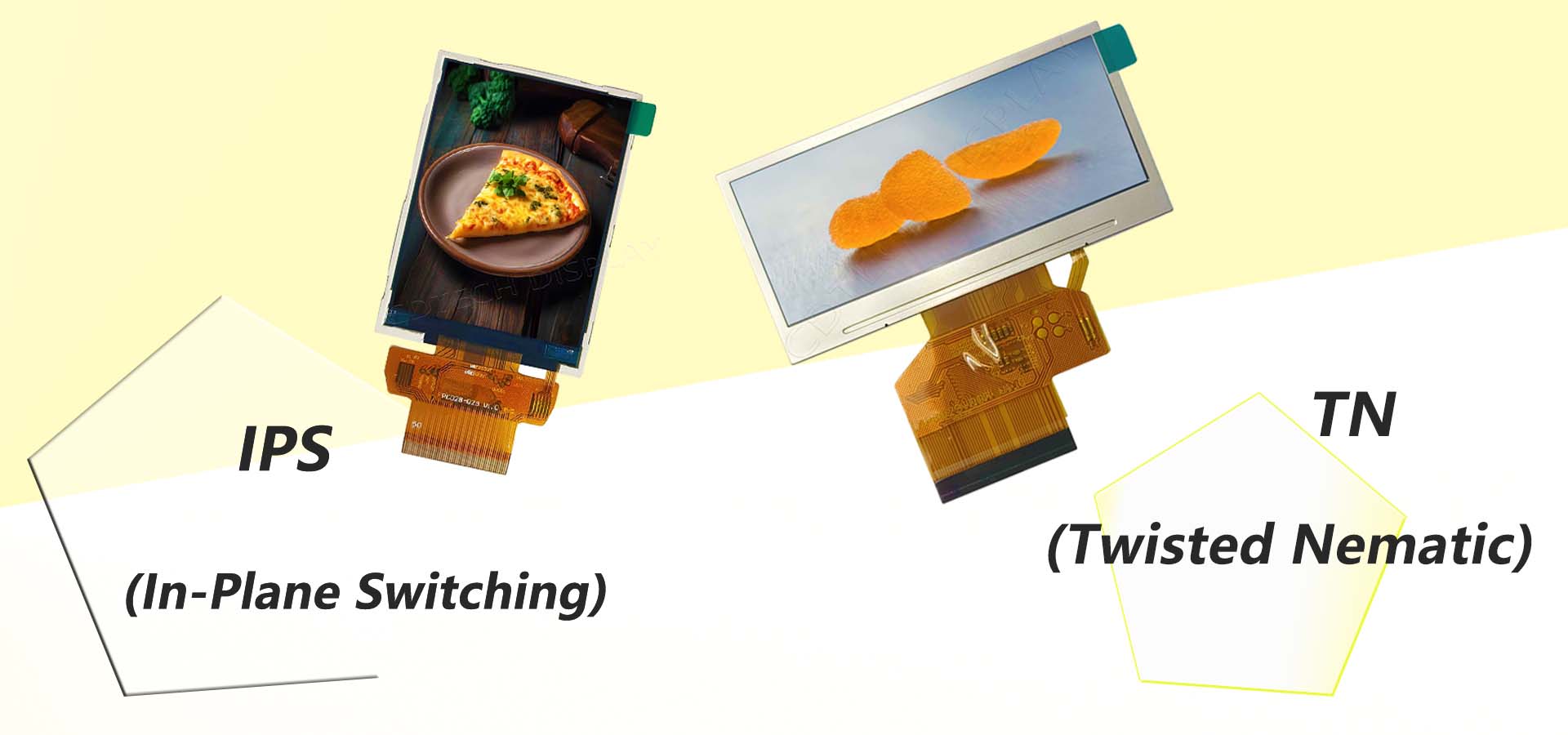
TN LCD vs IPS LCD: How to Choose the Right Display for You
-
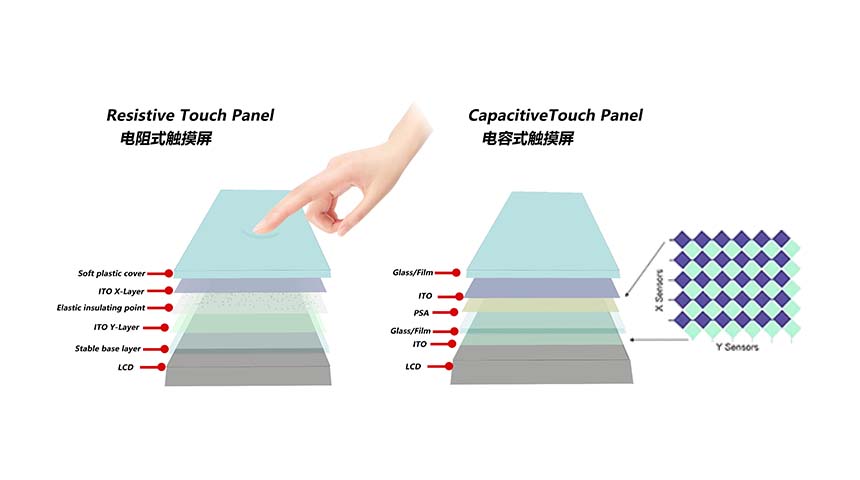
Capacitive Touch Panel or Resistive: Which Suits Your Needs?
-
Why Choose an IPS LCD Panel for Your Next Screen Purchase?
-
CDTECH to Showcase Cutting-Edge Display Solutions at SID 2025
-
Comparing Different Types of Displays in Cars: A Detailed Overview
-
White Spots on LCD Screen: Causes, Fixes & Industrial Solutions (2026 Guide)