SOLUTION
homeKnowledge
 2026-11-17
 11:36


CDTech is a custom TFT LCD manufacturer and display supplier supporting OEMs, equipment manufacturers, and embedded system developers.
When standard display modules do not meet specific project requirements, CDTech provides customized TFT LCD modules and touch display assemblies designed around mechanical, optical, electrical, and environmental requirements. From display size adaptation and touch integration to optical bonding, interface configuration, and controller board integration, our engineering team helps OEM customers develop reliable display solutions for their applications.
[Discuss Your Custom Display Project] [Explore Our Capabilities]
Established in 2011, CDTech specializes in the development and manufacturing of TFT LCD and touch display modules for industrial, automotive, medical, and other embedded applications.
Following a production capacity upgrade in 2019, CDTech expanded its integrated manufacturing capabilities across key display processes. The facility covers approximately 10,000 m², including around 3,500 m² of Class 1,000 cleanroom space.
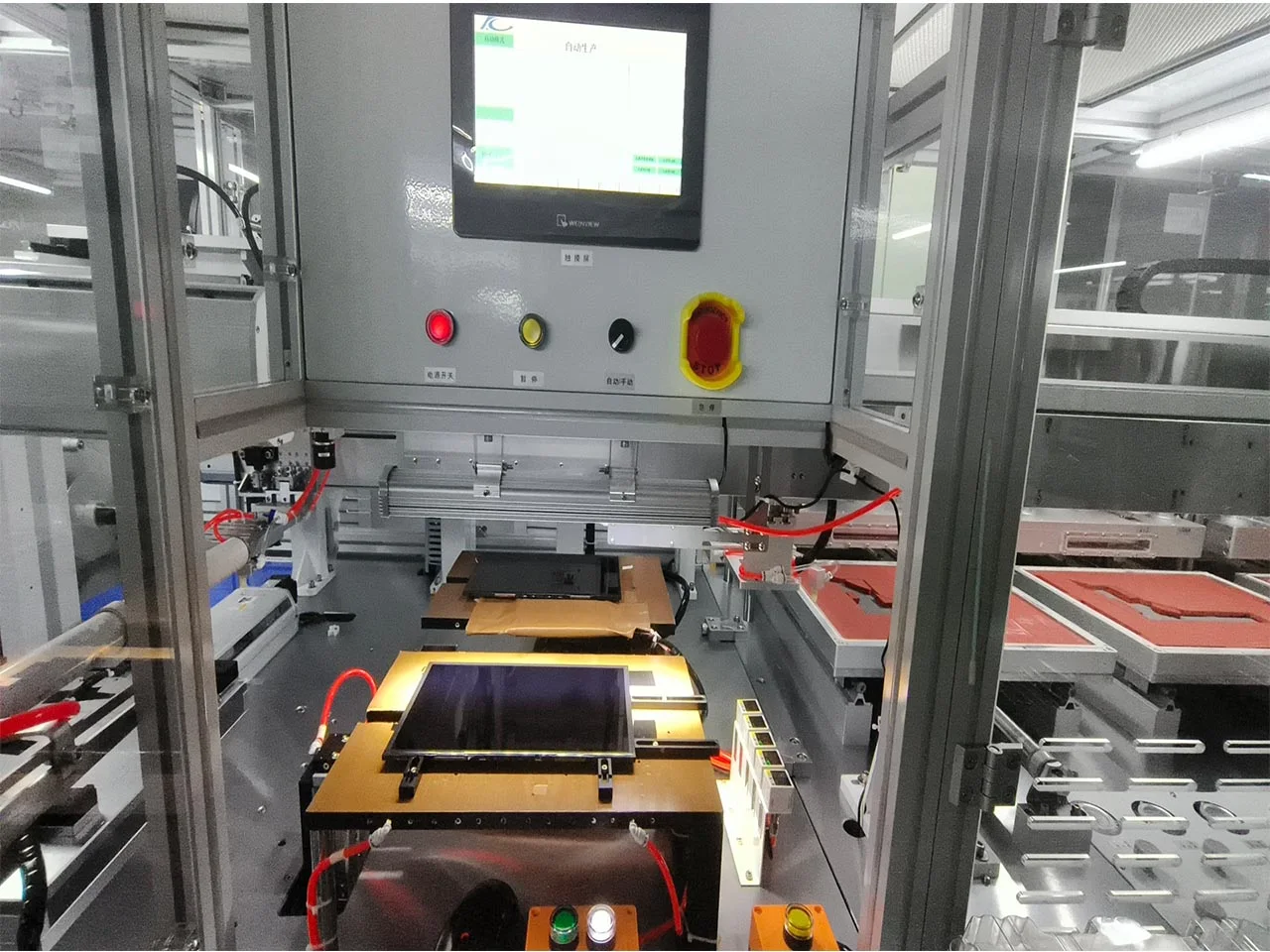
Our manufacturing processes cover LCD glass cutting, polarizer attachment, COG/FOG bonding, backlight assembly, capacitive touch panel (CTP) production, and optical bonding. These capabilities support customized display development, engineering integration, and production for different OEM project requirements.
CDTech provides TFT LCD display modules in sizes ranging from 1.5 to 15.6 inches, covering compact embedded displays, standard industrial modules, and larger-format displays for OEM applications.
Standard TFT LCD modules provide a practical starting point for many OEM display projects. When an existing module does not fully match the mechanical or optical requirements of a device, CDTech can evaluate customization options based on the selected LCD platform and project specifications.
Our custom TFT display solutions may involve:
1. Display Dimensions: Evaluation of non-standard display dimensions and secondary cutting feasibility.
2. Resolution & Display Format: Selection of suitable resolutions, aspect ratios, and display formats.
3. Brightness Configuration: Standard and high-brightness options based on ambient lighting and power requirements.
4. FPC Customization: Evaluation of FPC length, connector position, routing, and pin configuration.
5. Mechanical Adaptation: Review of module outlines, mounting positions, and enclosure compatibility.
6. LCD Technology Selection: IPS and other available TFT LCD configurations according to viewing angle, optical performance, and application requirements.
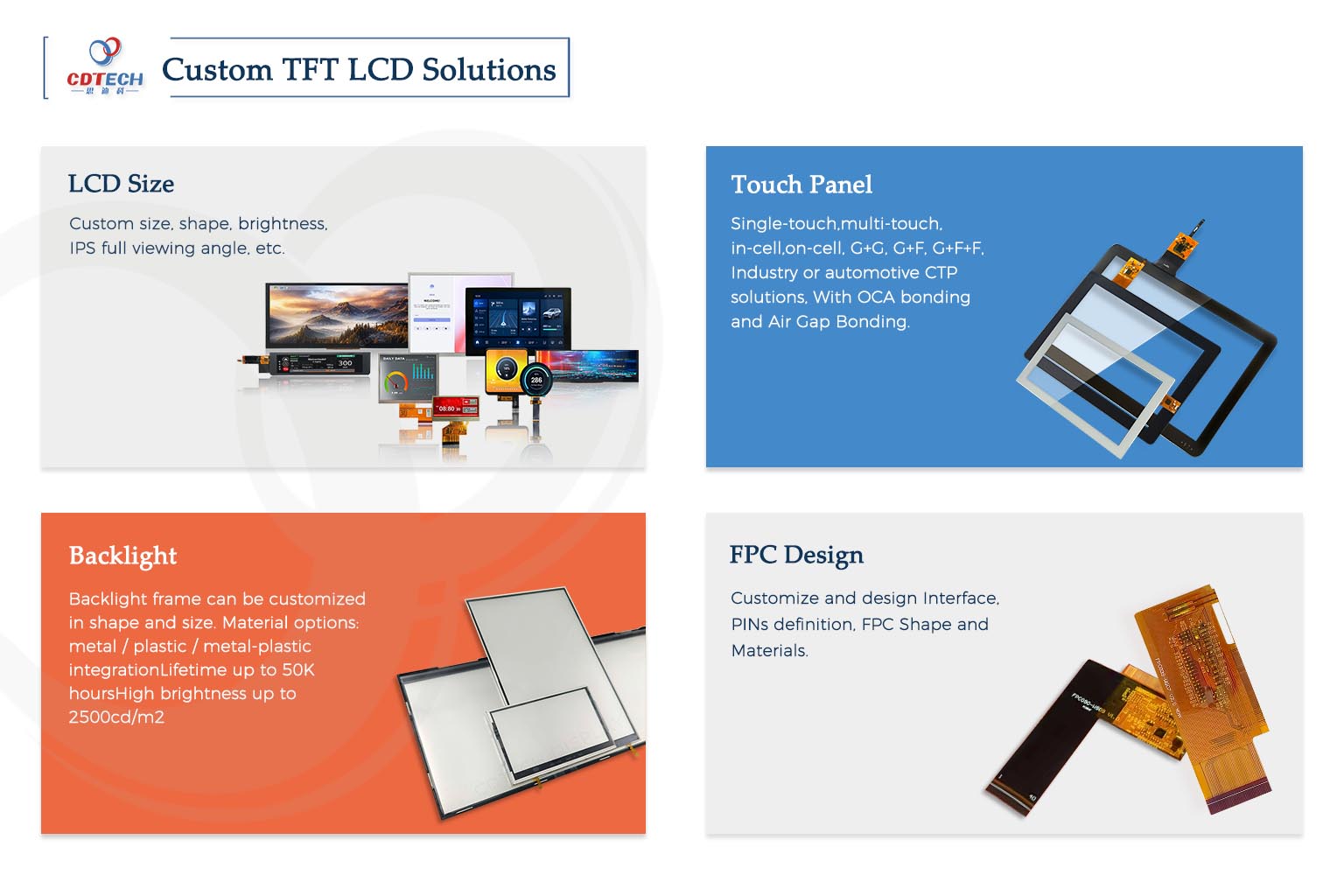
With accumulated engineering experience and proprietary patented technology, CDTech supports secondary LCD panel cutting for selected display structures. This capability allows OEM customers to explore customized display dimensions and differentiated product designs.
However, not every LCD panel can be modified safely. Cutting feasibility depends on the original panel structure and electrical layout, including the active area, driver IC position, bonding area, FPC routing, and panel edge structure.
Before confirming feasibility, CDTech’s engineering team evaluates the original panel dimensions, required finished dimensions, active area, viewing area, FPC position, and mechanical installation constraints.
Depending on the panel design, secondary cutting may affect the available viewing area, edge structure, optical performance, or long-term reliability. Additional engineering evaluation, tooling, validation, and lead time may also be required.
The achievable dimensions, technical feasibility, potential risks, and additional costs are therefore confirmed on a project-by-project basis before prototype development.
As a custom touchscreen display manufacturer, CDTech evaluates LCD and touch compatibility at the module level to support different OEM product architectures.
For applications requiring interactive display functionality, CDTech supports custom touch screen integration with TFT LCD modules. Depending on the product architecture and application requirements, touch solutions can include projected capacitive touch (PCAP), resistive touch panels (RTP), and selected In-Cell configurations.
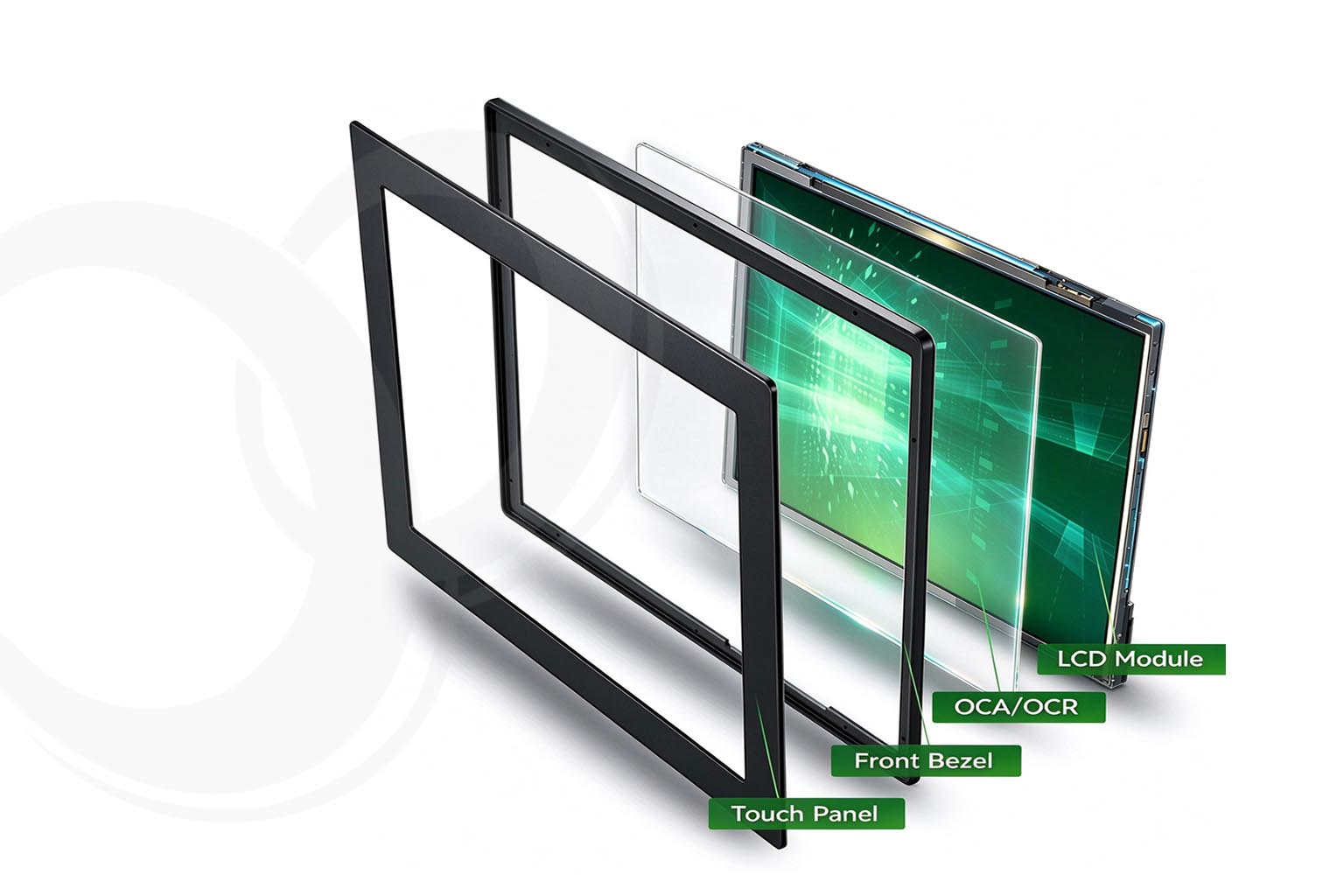
Rather than treating the LCD and touch panel as separate components, our engineering team evaluates their compatibility as part of the display assembly. This includes touch structure, cover glass design, controller selection, signal interfaces, and optical bonding requirements.
1. Projected Capacitive Touch(PCAP)
PCAP touch technology supports multi-touch interaction and is suitable for many modern industrial, medical, automotive, and smart device interfaces. Customization can be evaluated for cover glass dimensions, thickness, surface treatment, touch sensitivity, and controller configuration.
2. Resistive Touch Panel (RTP)
Resistive touch technology can be considered for applications requiring stylus operation, specific input methods, or compatibility with existing equipment designs. Selection depends on the operating environment and user interaction requirements.
3. In-Cell Touch Display
For selected display models, In-Cell technology integrates touch functionality into the display structure. Availability and customization options depend on the specific panel platform.
By evaluating the LCD, touch panel, cover glass, controller, and interface together, CDTech helps OEM customers address display integration requirements at the module level.
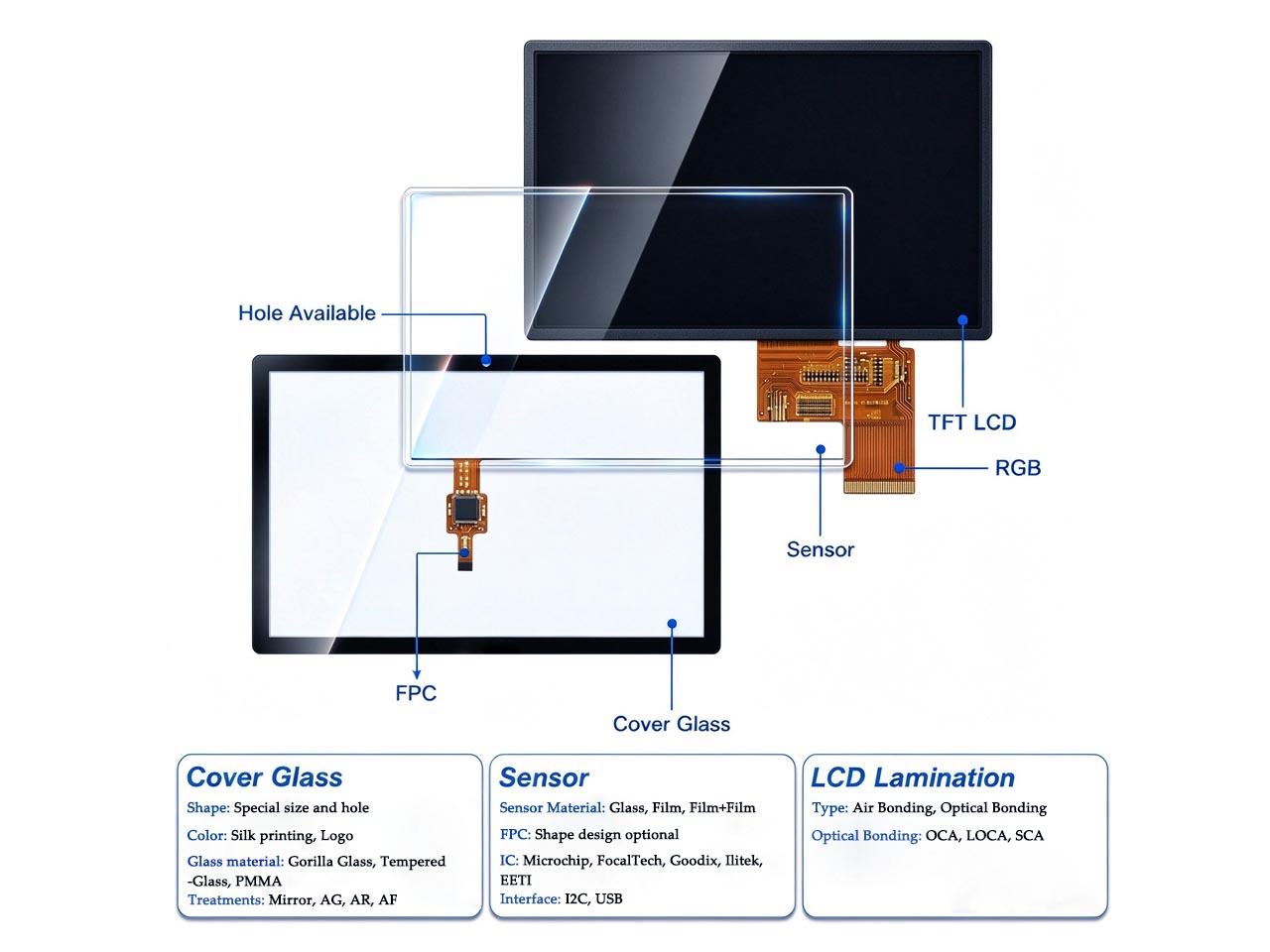
CDTech supports custom touch panel (TP) solutions for TFT LCD modules ranging from 2.0 to 15.6 inches. Touch panel configurations can be customized according to display dimensions, mechanical structure, operating environment, and application requirements.
Available customization options include:
For demanding operating environments, TP design and display assembly configurations can be evaluated against application-specific requirements, including UV exposure, water and dust protection, salt-spray conditions, mechanical impact, and vibration.
These requirements may involve cover glass selection, surface treatments, sealing design, touch-controller configuration, and complete display assembly validation. Actual performance depends on the selected materials, product structure, and agreed test conditions.
The actual performance depends on the cover glass, sensor structure, touch controller, surface treatment, sealing design, and complete product assembly. Specific environmental and reliability requirements should be reviewed and validated during the engineering development process.
|
Touch Technology |
Customization Considerations |
Project-Specific Evaluation |
|
PCAP |
Multi-touch, glove operation, water-tolerant touch, sensitivity adjustment |
Touch points, glove type, water exposure, EMI requirements |
|
RTP |
Stylus operation, operating force, touch-panel configuration |
Response characteristics, expected operating life |
|
In-Cell |
Integrated touch architecture |
Compatible panel platform and host-system compatibility |
For PCAP touch displays, achievable performance depends on the touch controller, sensor design, cover-glass thickness, grounding, and electrical environment. Glove operation, water exposure, and EMI requirements should be defined during engineering review.
For resistive touch displays, operating force and expected touch life should be evaluated against the intended application and selected touch-panel specification.
In-Cell touch integration is limited to compatible display platforms and cannot be assumed to be available for every LCD model.
Cover-glass customization may include dimensions, thickness, edge design, and AG, AR, or AF surface treatments. Glass hardness and strengthening requirements should be confirmed according to the selected glass material and applicable test methods.
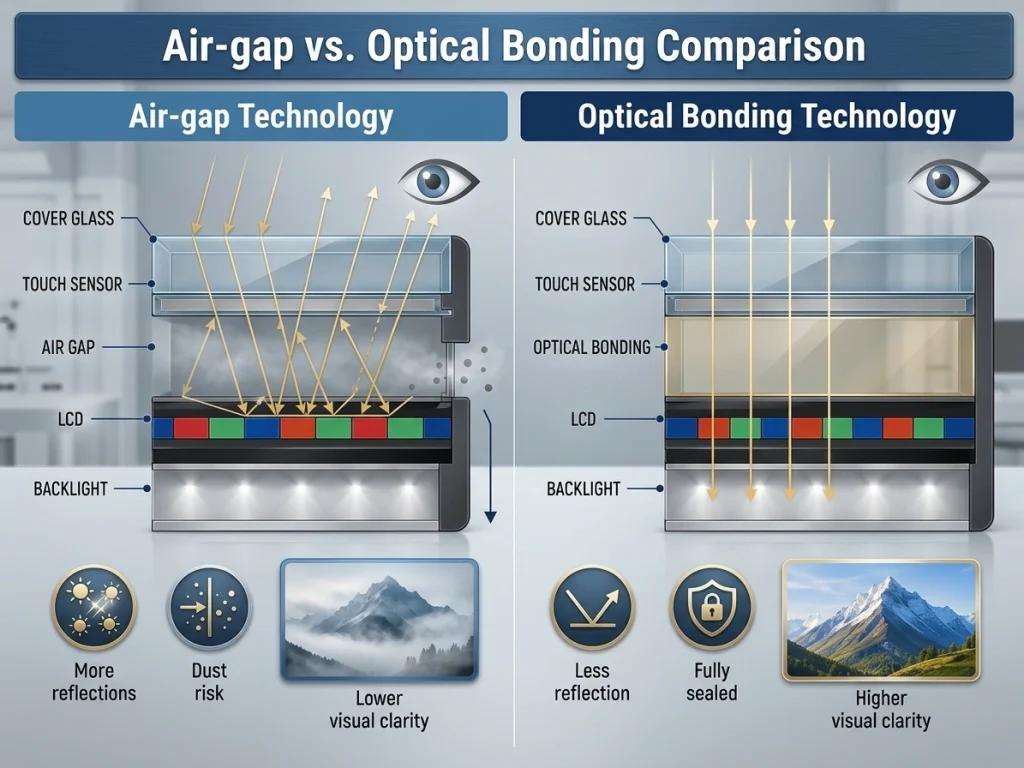
Display visibility and touch performance can be affected by reflections, ambient lighting, dust, moisture, and the mechanical structure of the device. CDTech provides optical bonding and surface treatment options to help address these requirements in custom TFT LCD and touch display assemblies.
Optical bonding can reduce the air gap between display components and help minimize internal reflections. Depending on the display structure and application, OCA or other suitable bonding materials may be evaluated.
① Anti-Glare (AG): Helps diffuse reflected ambient light.
② Anti-Reflection (AR): Helps reduce surface reflections.
③ Anti-Fingerprint (AF): Helps reduce visible fingerprints and improve surface maintenance.
④ Cover Glass Customization: Supports project-specific dimensions and selected edge or surface treatments.
Display brightness should be selected according to ambient lighting, viewing distance, power consumption, thermal conditions, and enclosure design. High-brightness panels may be considered for outdoor or high-ambient-light applications, while optical bonding and surface treatments can be evaluated as part of the complete optical design.
The appropriate optical configuration depends on the selected LCD, touch structure, cover glass, and target application. CDTech evaluates these elements together rather than treating each option as an independent upgrade.
Selected CDTech display products can achieve brightness levels of up to 2500 cd/m², while backlight lifetime can reach 50,000 hours, depending on the specific product configuration and operating conditions.
For high-brightness and long-operating-hour applications, engineering evaluation should consider LED drive conditions, thermal management, operating temperature, and required brightness-retention performance.
Actual brightness and lifetime specifications should be confirmed in the relevant product datasheet.
|
Comparison |
Air-Gap Assembly |
Optical Bonding |
|
Assembly Structure |
An air gap remains between the LCD and cover glass. |
Optical adhesive fills the gap between display components. |
|
Internal Reflection |
Internal reflections may be more noticeable. |
Helps reduce internal reflections. |
|
Outdoor Readability |
Depends on display brightness and cover-glass design. |
Can improve readability by reducing interface reflections. |
|
Mechanical Integration |
Separate components with an air gap. |
Creates a more integrated display assembly. |
|
Cost & Processing |
Generally simpler assembly with lower processing costs. |
Requires additional bonding materials and manufacturing processes. |
The choice between air-gap assembly and optical bonding depends on the display structure, ambient lighting, operating environment, mechanical design, and cost targets.
Air-gap assembly may be suitable for applications where cost and assembly simplicity are priorities. Optical bonding is worth considering when reducing internal reflections, improving outdoor readability, or achieving a more integrated display assembly is important.
OCA, LOCA, and other optical bonding materials have different processing and application characteristics. Material selection should consider the display and cover-glass structure, operating temperature, humidity exposure, UV conditions, and long-term reliability requirements.
A display module must be electrically and functionally compatible with the host system. CDTech supports interface evaluation and controller board configuration for selected TFT LCD applications, helping OEM customers address display signal, touch communication, power, and system integration requirements.
Depending on the selected TFT LCD module and display architecture, native display interfaces may include:
For applications requiring HDMI input, a compatible controller board can be configured to convert the HDMI signal into the interface supported by the selected LCD module.
For touch-enabled display assemblies, communication between the host system and touch controller may use:
The actual configuration depends on the touch controller, host processor, and selected display assembly. Display image transmission and touch communication are separate signal paths.
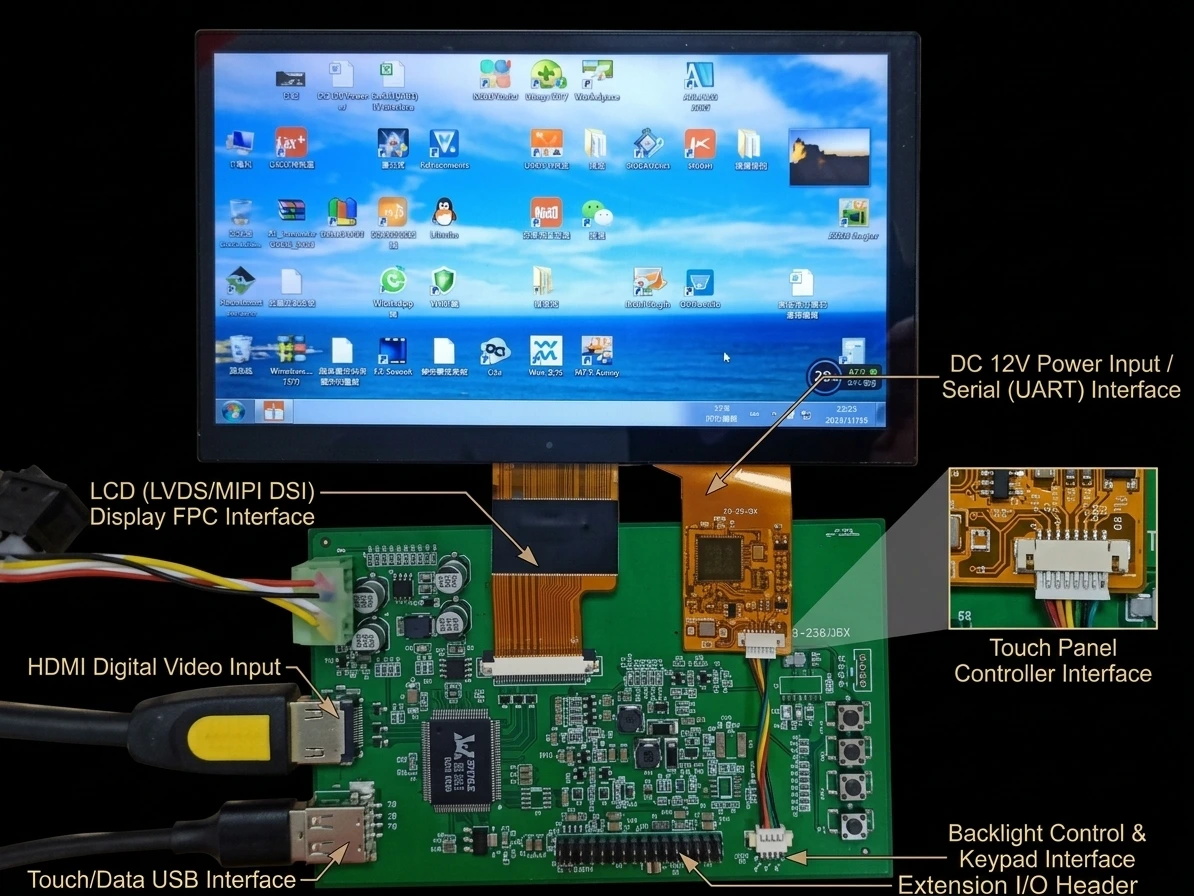
For projects requiring a simplified connection to the host system, compatible controller boards or interface conversion solutions can be evaluated. HDMI input configurations are available for selected display solutions, while touch communication may use a separate USB or I²C connection.
Before confirming a configuration, CDTech reviews the host processor, display timing, resolution, signal interface, power requirements, touch controller, and connection method to help ensure system compatibility.
1. Integrated LCD & Touch Interface Board
For selected OEM display projects, CDTech can provide integrated interface board solutions that combine the LCD FPC interface and touch panel interface on a single PCB.
This integration helps simplify internal wiring and display system connections. Depending on the selected board design, the solution can support coordinated connections between the LCD module, touch panel, and host system.
The supported touch communication interface, display signals, connector configuration, and electrical specifications should be confirmed according to the selected display module and project requirements.
2. HDMI Controller Board
CDTech supports customized HDMI controller board solutions for compatible TFT LCD modules. Board configurations can include standard HDMI connectors, 5V or 12V power input options, and EDID programming according to project requirements.
Controller board selection and configuration depend on the LCD resolution, display timing, electrical specifications, and host-system compatibility.
PCAP or resistive touch functionality can also be considered where supported by the selected board architecture and touch interface.
3. Display Interface Conversion Boards
For projects requiring different display interfaces, CDTech can evaluate customized interface conversion board solutions, including:
– RGB to LVDS interface conversion.
– LVDS to eDP interface conversion.
– Other interface configurations subject to controller compatibility and project requirements.
The conversion solution should be evaluated against the display resolution, timing requirements, signal characteristics, power supply, and host-system architecture.
For OEM projects, controller board integration may require additional evaluation of display timing, resolution compatibility, firmware configuration, power input, and host-system communication.
Depending on the selected controller platform, project-specific engineering may include display timing configuration, firmware parameter adjustment, power-input assessment, and system integration support.
Custom firmware changes, non-standard timing requirements, and EMC validation are subject to controller-platform compatibility and project feasibility review. The supported resolution, electrical specifications, and validation scope should be confirmed for the selected controller board.
As a custom TFT LCD manufacturer, CDTech supports multiple stages of display module production and integration. Our manufacturing capabilities cover key processes involving LCD glass, polarizers, driver IC and FPC bonding, backlight assembly, capacitive touch panel production, and full lamination.
By coordinating these processes within our manufacturing operations, we can evaluate display customization and integration requirements across different project stages.
CDTech maintains 100% in-house control of its core display manufacturing processes, with no outsourcing of the production processes listed below.
Our integrated manufacturing capabilities cover the complete production flow, including:
– LCD glass cutting and processing
– Automatic polarizer attachment
– COG (Chip-on-Glass) bonding
– FOG (FPC-on-Glass) bonding
– FPC bonding
– Backlight assembly
– Capacitive touch panel (CTP) production
– Optical bonding and display assembly
By managing these core processes within our own manufacturing facilities, CDTech maintains direct control over production quality, process coordination, material utilization, and manufacturing schedules.
This integrated production model helps reduce dependence on external processing suppliers, improve manufacturing consistency, and provide more responsive support for customized OEM display projects.
CDTech integrates key LCD and touch display manufacturing processes in-house, from precision glass processing and component bonding to backlight assembly and optical bonding.
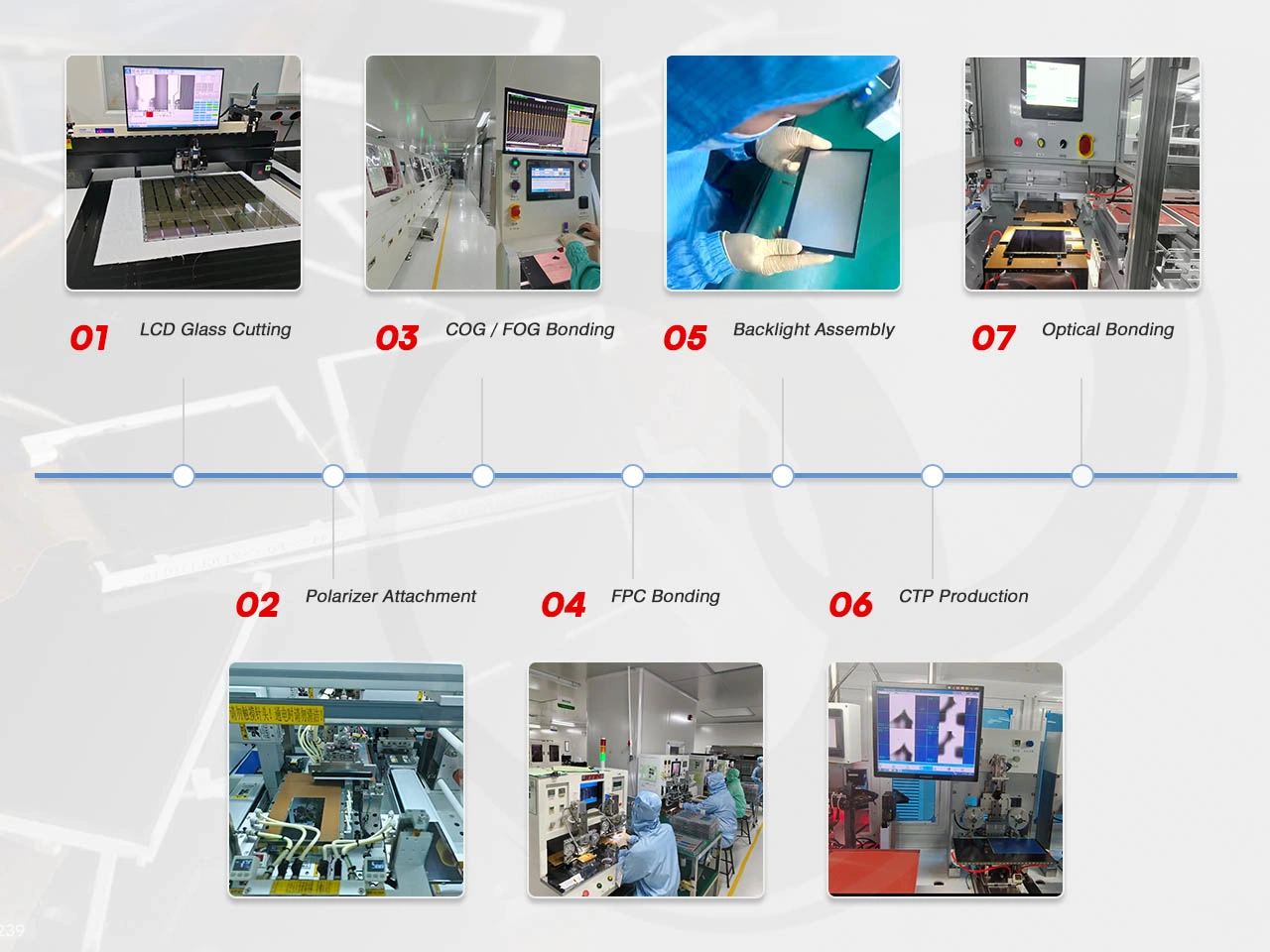
The process sequence and manufacturing steps vary depending on the display configuration and project requirements.
CDTech was established in 2011. Its manufacturing facility covers approximately 10,000 m², including approximately 3,500 m² of Class 1000 cleanroom space. The manufacturing process scope includes LCD glass cutting, polarizer attachment, LCD IC bonding, FPC bonding, backlight assembly, CTP production, and full lamination.
The manufacturing scope and process availability depend on the selected display configuration and project requirements. Specific production processes and engineering support activities are reviewed according to the actual product structure and manufacturing arrangement.
Every custom display project starts with a clear understanding of the customer’s application and system requirements. CDTech evaluates technical feasibility, defines suitable display configurations, and supports OEM customers from initial assessment through sample development and production.
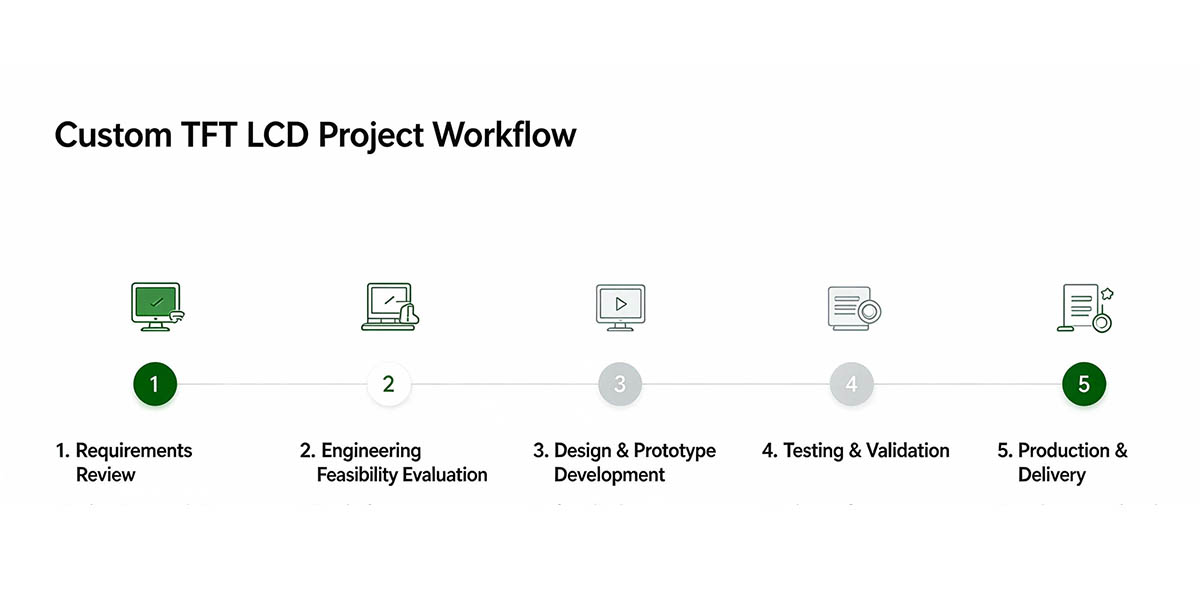
1. Requirements Review
Review display size, resolution, brightness, viewing angle, touch requirements, interfaces, operating temperature, mechanical dimensions, and target application.
2. Engineering Feasibility Evaluation
Evaluate LCD platform availability, secondary cutting feasibility, touch structure, cover glass, optical bonding, FPC configuration, and interface compatibility.
3. Design & Prototype Development
Define the proposed display configuration and prepare samples or prototypes according to the approved project requirements.
4. Testing & Validation
Evaluate display performance, touch functionality, electrical compatibility, mechanical fit, and applicable environmental requirements.
5. Pilot Production, Mass Production & Delivery
After engineering sample approval, CDTech can support pilot production where required to verify manufacturing processes, assembly consistency, and inspection requirements. Following customer approval and order confirmation, mass production proceeds according to the agreed specifications, quality requirements, and delivery schedule.
Our engineering team works with customers to clarify technical requirements, identify potential integration issues, and establish a suitable development path from initial evaluation to production.
Before mass production, the final display configuration, technical specifications, approved sample, quality requirements, and delivery scope should be confirmed with the customer. Agreed design or component changes are reviewed through the applicable change-control process.
CDTech maintains dedicated production capacity across key TFT LCD and touch display manufacturing processes to support different OEM project requirements.
|
Production Process |
Current Monthly Production Volume |
Equipment Capacity |
|
COG/FOG Front-End |
150K pcs/month |
500K pcs/month |
|
LCM Module Assembly |
150K pcs/month |
300K pcs/month |
|
CTP Production |
80K pcs/month |
200K pcs/month |
|
Optical Bonding |
50K pcs/month |
150K pcs/month |
Capacity figures are based on current production and equipment planning data. Actual output depends on product configuration, process requirements, production scheduling, and order mix.
The production setup is designed to support different project volumes, from prototype and small-batch development to larger-scale production. Actual production capacity and delivery schedules depend on the selected process, product configuration, material availability, and order requirements.
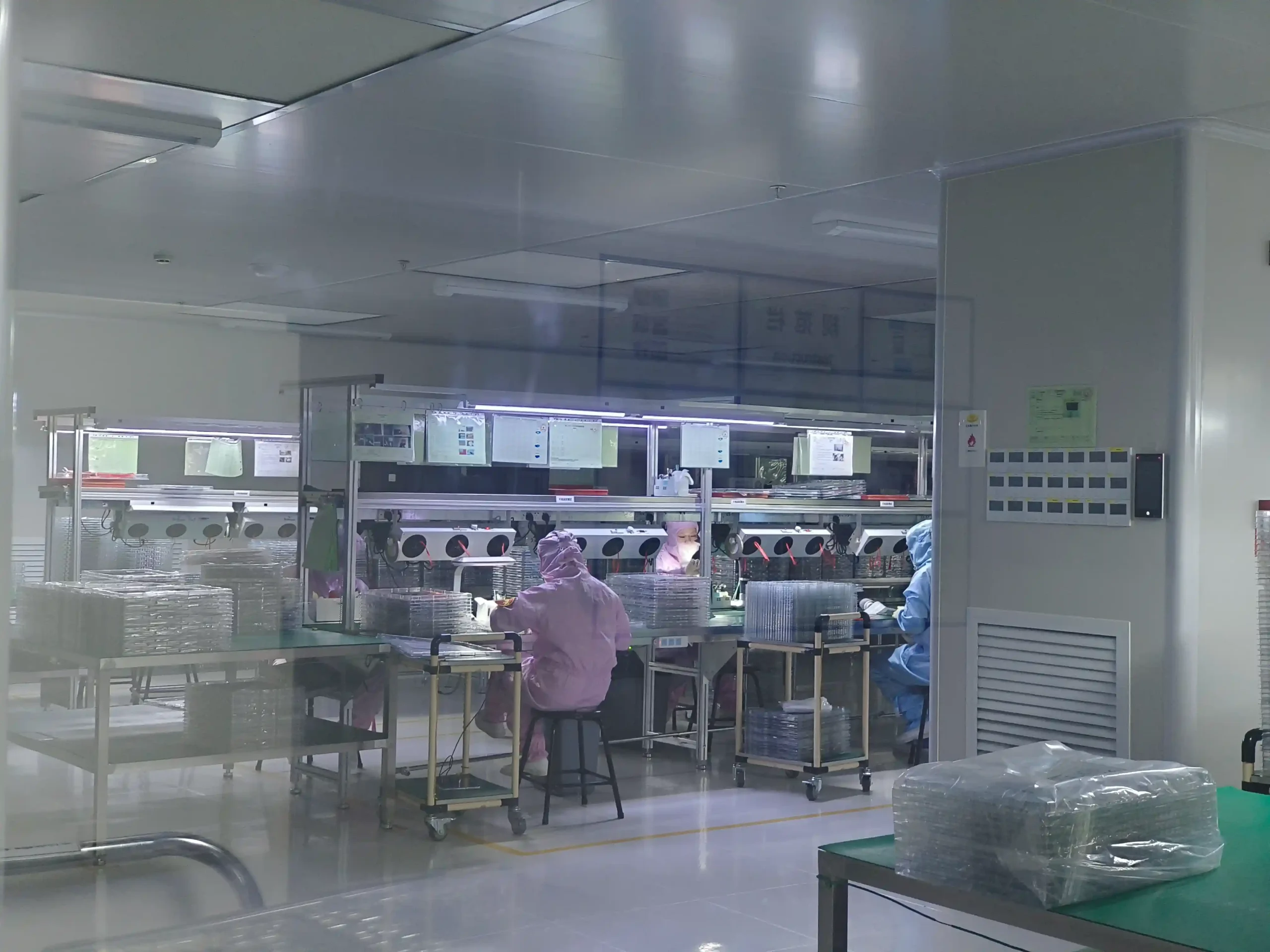
Consistent display performance is important for OEM products throughout engineering development and mass production. CDTech applies quality control procedures across relevant manufacturing stages, from incoming material inspection and in-process checks to functional testing and final inspection.
Quality inspection requirements are defined according to product specifications, manufacturing processes, and application-specific requirements to support consistent product quality throughout production.
Verification of incoming components and materials against applicable requirements.
Checks during relevant LCD, bonding, backlight, and touch assembly processes.
Evaluation of display appearance and visual defects.
Verification of display operation, signal connections, and functional performance.
Evaluation of touch response and functionality for touch-enabled configurations.
Additional tests based on the application, agreed specifications, and customer requirements.
Verification before shipment according to applicable inspection criteria.
Operating and storage temperature ranges vary by display model and configuration. Customers should refer to the individual product datasheet for specified temperature limits rather than assume a universal rating across all TFT LCD modules.
For applications exposed to wide temperature variations, vibration, mechanical shock, high humidity, condensation, or dust and water ingress, the display module should be evaluated within the complete product assembly.
Additional environmental and reliability testing can be evaluated according to the application conditions and agreed test requirements. IP protection ratings, where required, must be verified at the appropriate assembly level and supported by applicable test results.
CDTech uses an ERP-based management system to support material planning, inventory control, and warehouse operations throughout the production process.
Material movements follow established inventory procedures, including the First-In, First-Out (FIFO) principle, helping improve material utilization and control inventory turnover.
Warehouse personnel use PDA-based barcode scanning to record incoming and outgoing materials, improving transaction accuracy and consistency between inventory records and physical stock.
These digital management practices support efficient warehouse operations and better visibility of material flows throughout production.
These digital records improve visibility of material movements and support inventory control and defect-related tracking within the relevant manufacturing management processes.
CDTech maintains quality management system certifications including ISO 9001, ISO 13485, IATF 16949, and ISO 14001. The applicability of each certification depends on its certified scope, relevant manufacturing activities, product category, and project requirements.
These management-system certifications do not automatically establish that every display module complies with all automotive or medical product standards. Product-level compliance depends on component selection, design, intended application, validation results, and applicable regulations or customer specifications.
For projects requiring additional compliance evidence, CDTech can review customer-specific requirements and coordinate applicable testing, third-party validation, and quality documentation according to the agreed project scope.
For automotive OEM projects, additional quality documentation and project-specific requirements, including applicable PPAP-related materials, can be reviewed according to customer requirements and the agreed project scope.
Explore CDTech’s Manufacturing & Quality Capabilities
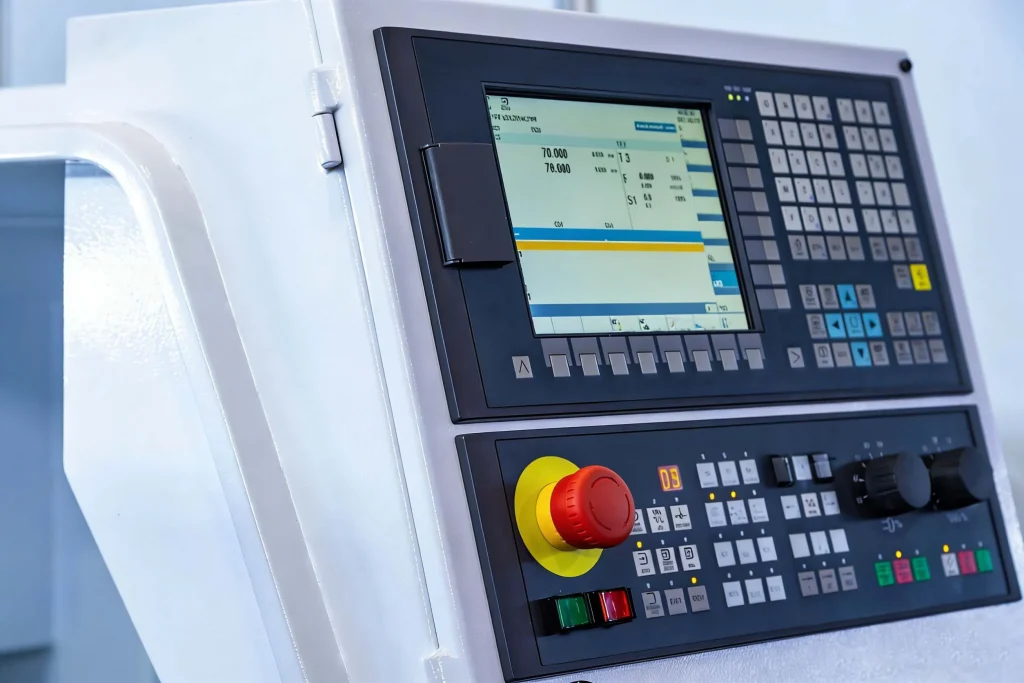
Different equipment applications require different display configurations. CDTech supports OEM customers across multiple industries with TFT LCD modules, touch display integration, optical enhancement, and application-specific engineering evaluation.
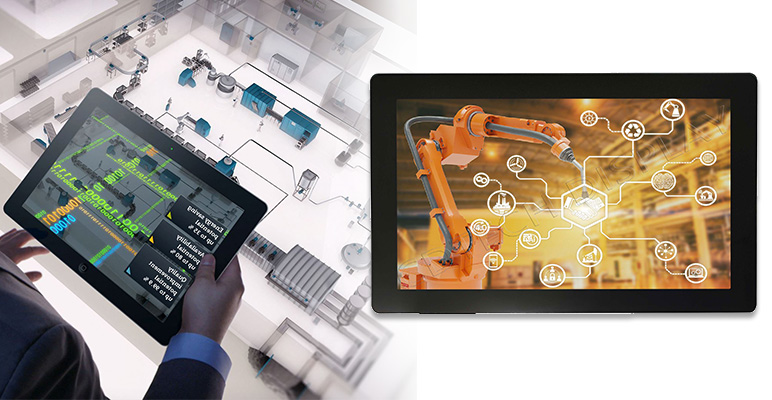
Custom industrial displays for HMI systems, automation equipment, measurement instruments, and embedded terminals, with application-specific touch integration, interface configuration, and optical options.
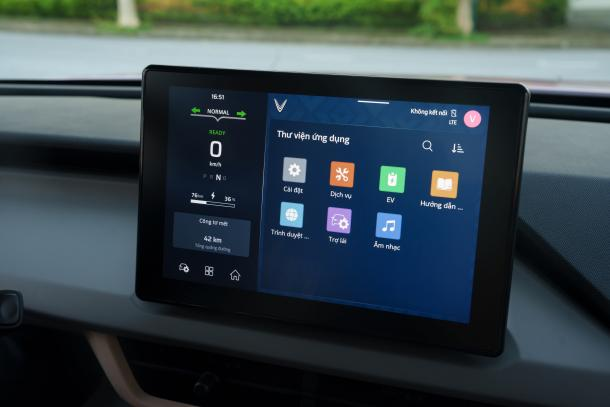
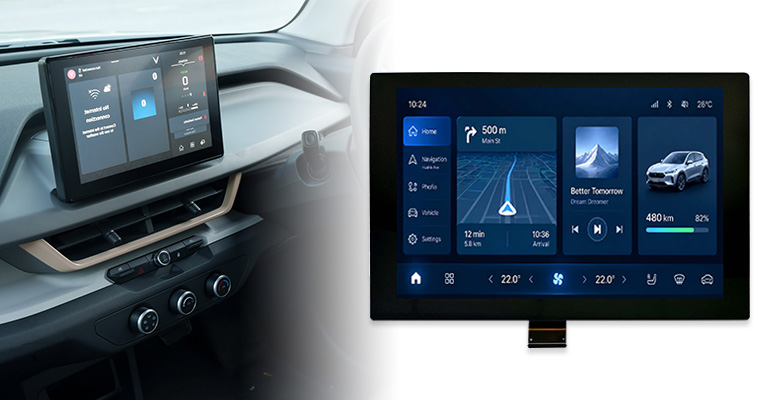
TFT LCD modules and touch display configurations for instrument clusters, center information displays, and commercial vehicle applications.
For automotive OEM projects, CDTech can support customized display development, project-specific reliability validation, and applicable quality documentation, including PPAP-related materials subject to project requirements.
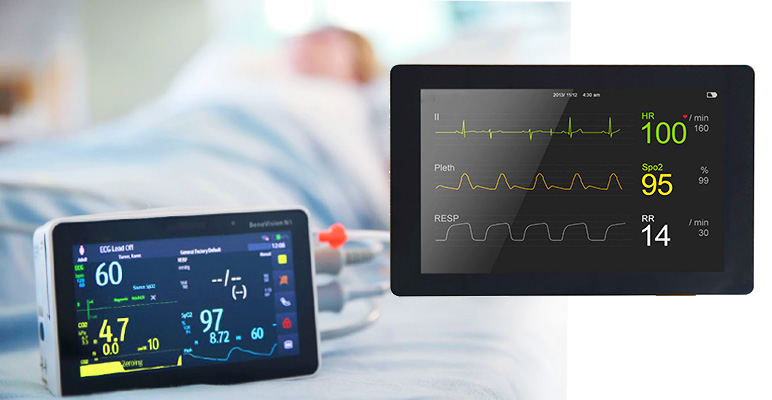
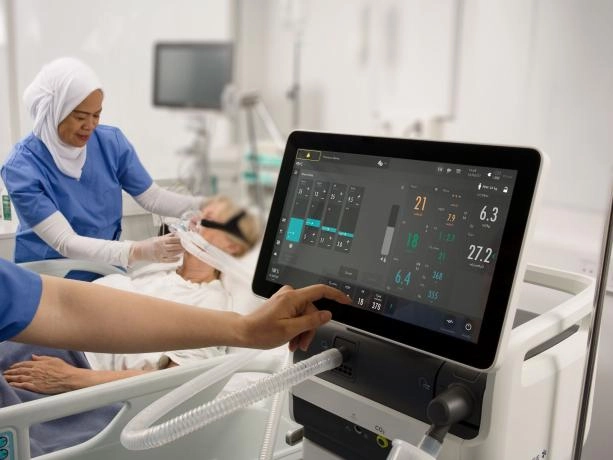
Display configurations for patient monitors, diagnostic equipment, laboratory instruments, and other medical devices, subject to application-specific requirements.
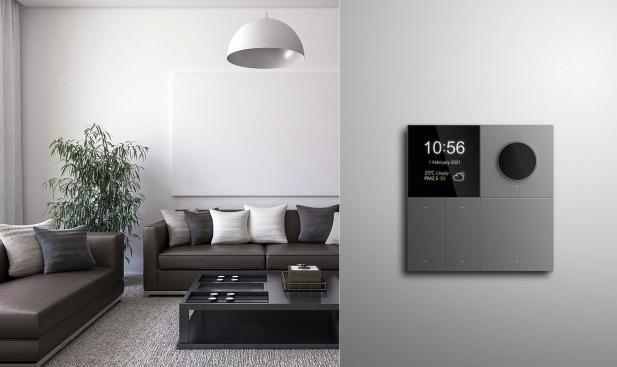
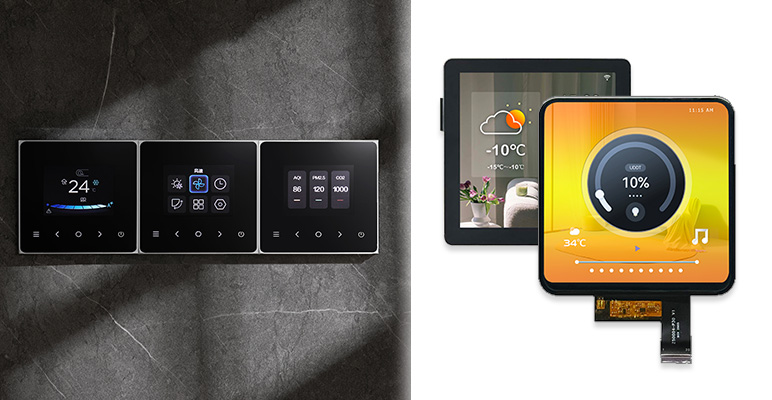
Custom TFT LCD and touch display modules for appliance interfaces, smart control panels, and connected home devices.
Explore selected TFT LCD modules and integrated display configurations that can serve as starting points for your next OEM project. Product availability and customization options depend on the selected model and project requirements.
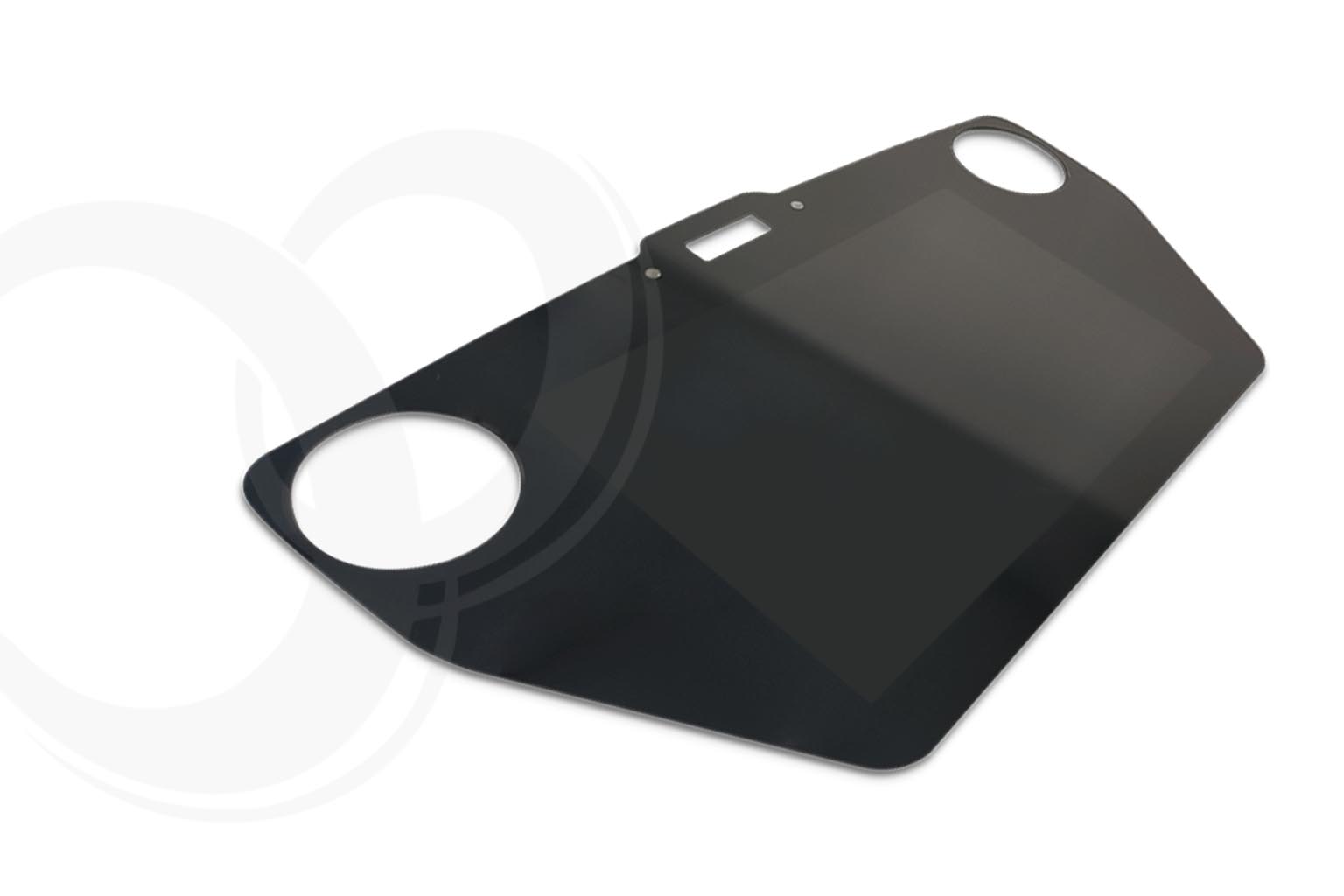
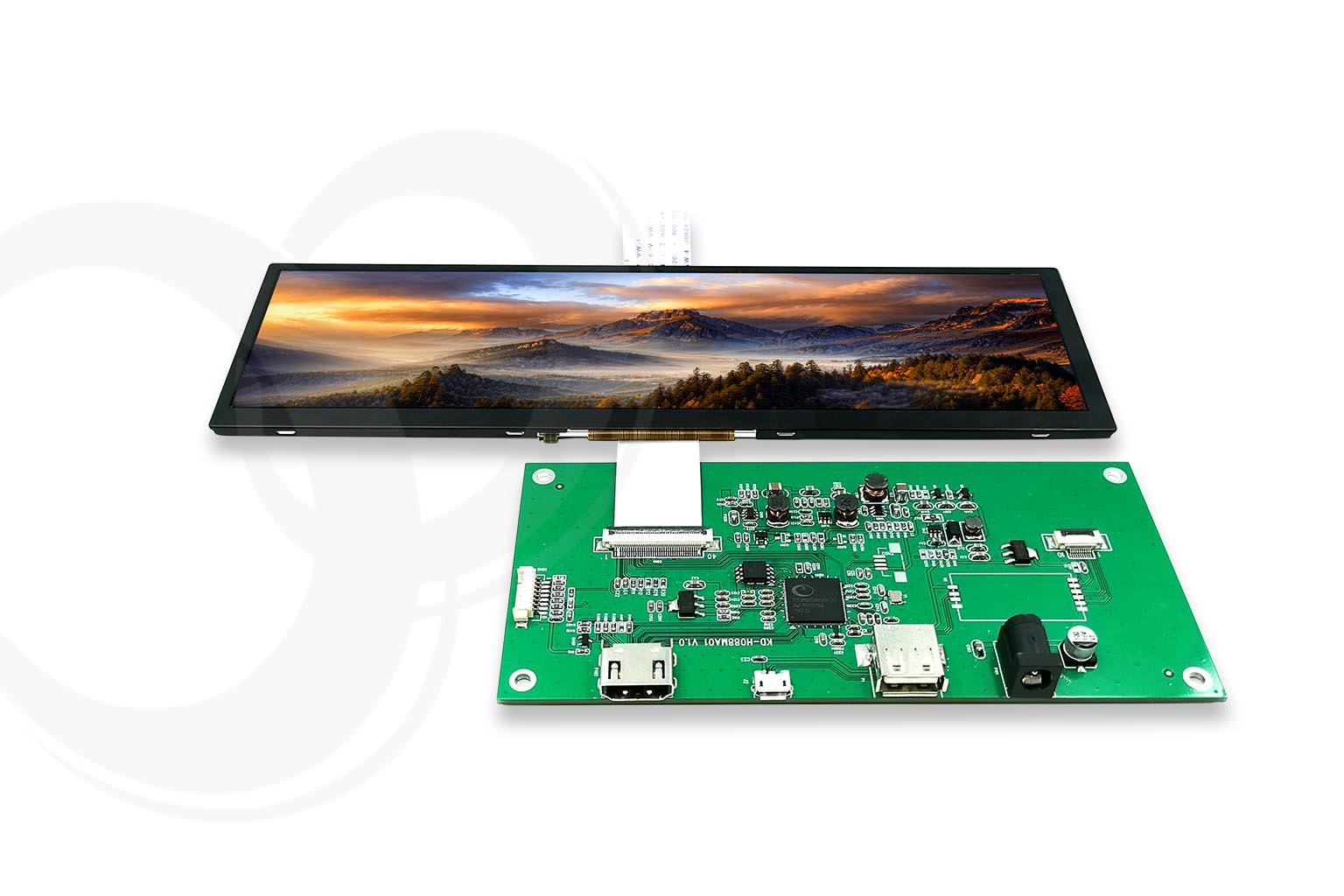
Selected HDMI and interface conversion configurations.
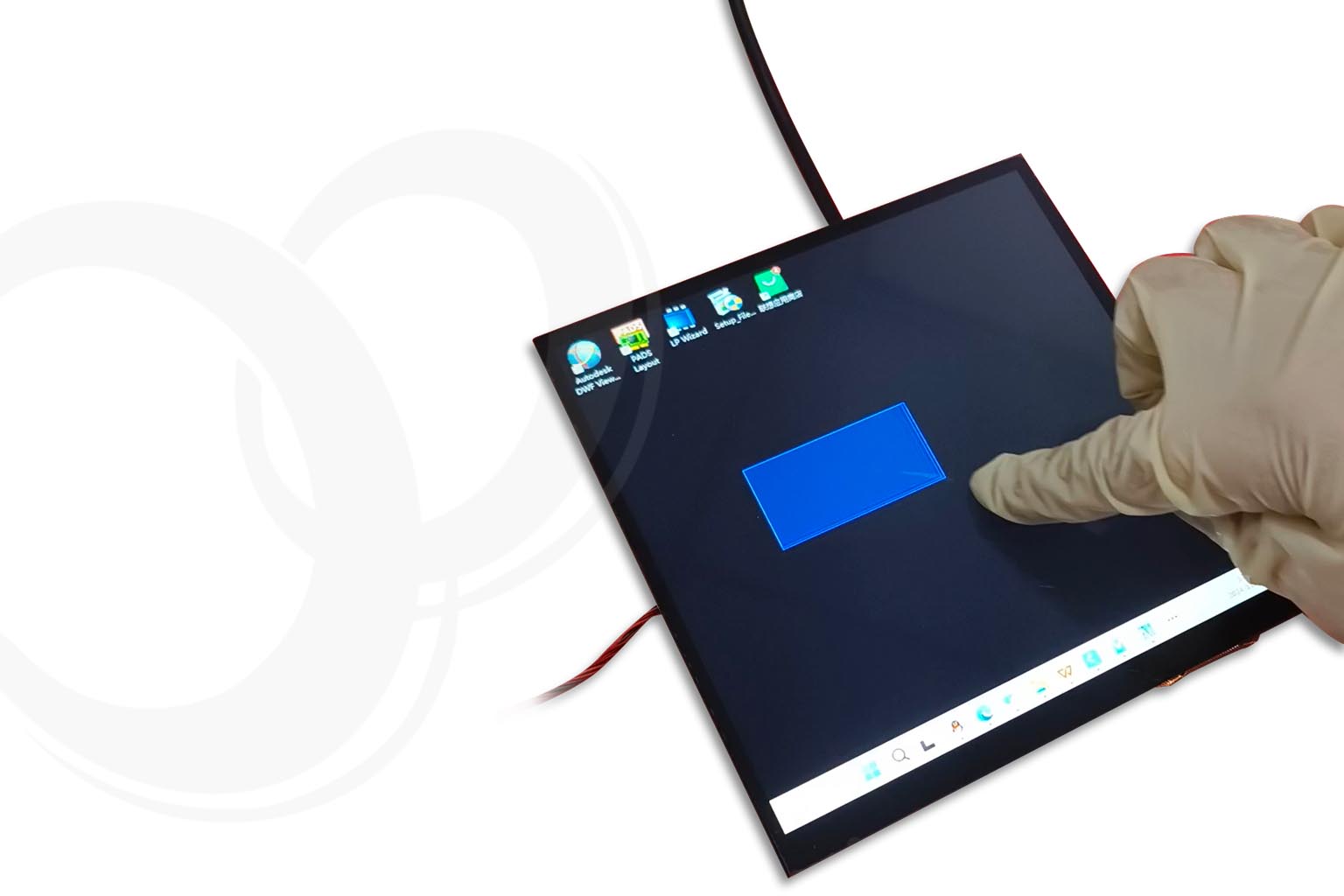
Display and touch assemblies with optical bonding options.
Depending on project requirements, CDTech can supply display products at different levels of integration to support OEM equipment development and system integration.
→ LCD Panel or Display Module: A selected LCD panel or TFT LCD module configured according to the required display specifications.
→ Touch Display Assembly: A TFT LCD module integrated with a compatible touch panel and cover glass, where required.
→ Optically Bonded Display Assembly: A display assembly with optical bonding applied between the display and cover glass or touch panel, depending on the selected structure.
→ Display with Controller Board: A compatible display paired with a controller board, with touch interface connections included where specified.
The final delivery scope may include the display module, touch assembly, controller board, cables, connectors, accessories, and applicable technical documentation. Included items, interface connections, inspection criteria, and other delivery requirements should be confirmed in the project quotation and approved technical specification.
Factory inspection and product-level validation are carried out according to the selected configuration and agreed quality requirements. System-level integration, enclosure validation, and final application testing may remain the customer’s responsibility or be evaluated as additional project services, subject to the agreed project scope.
Explore representative custom display configurations developed for different OEM applications.
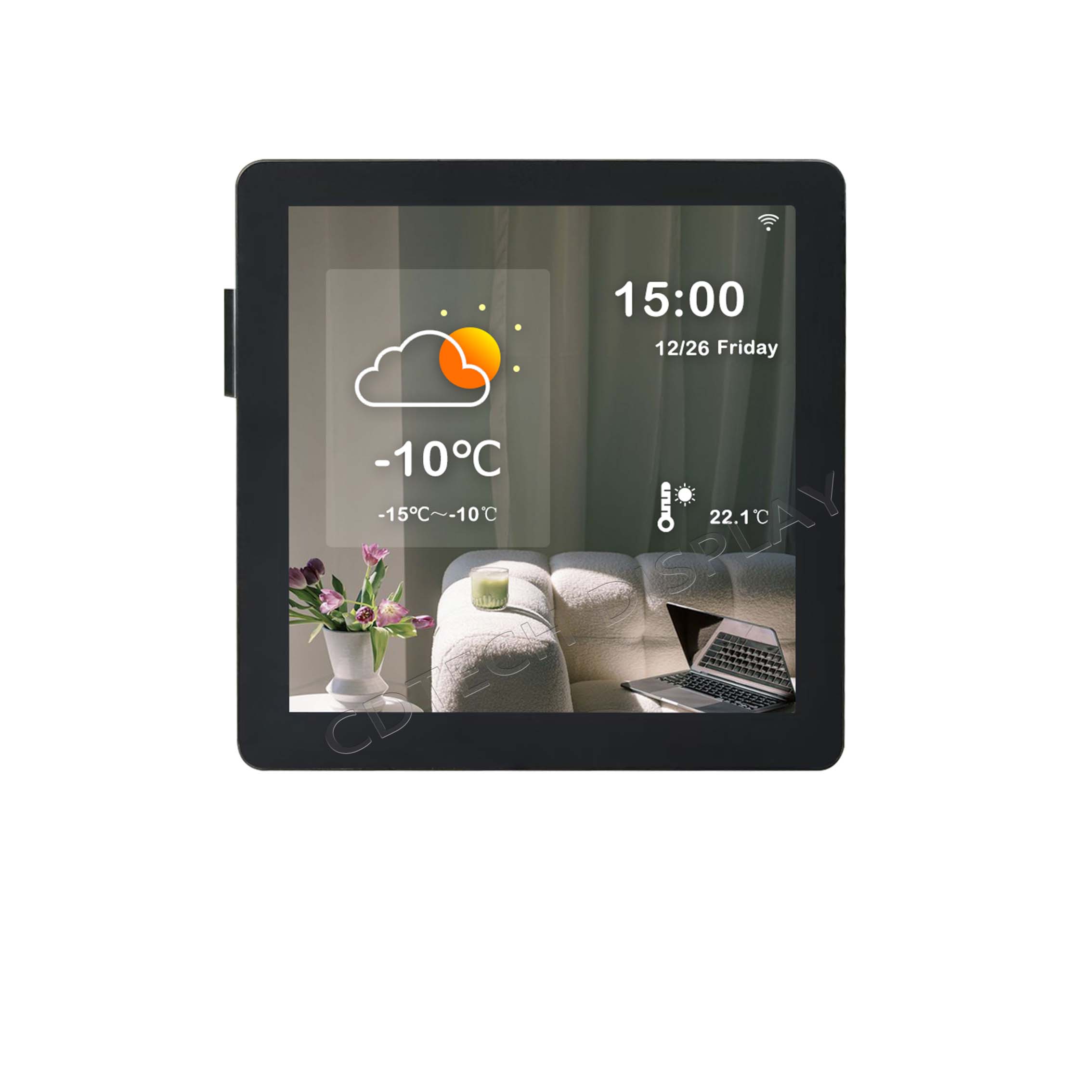
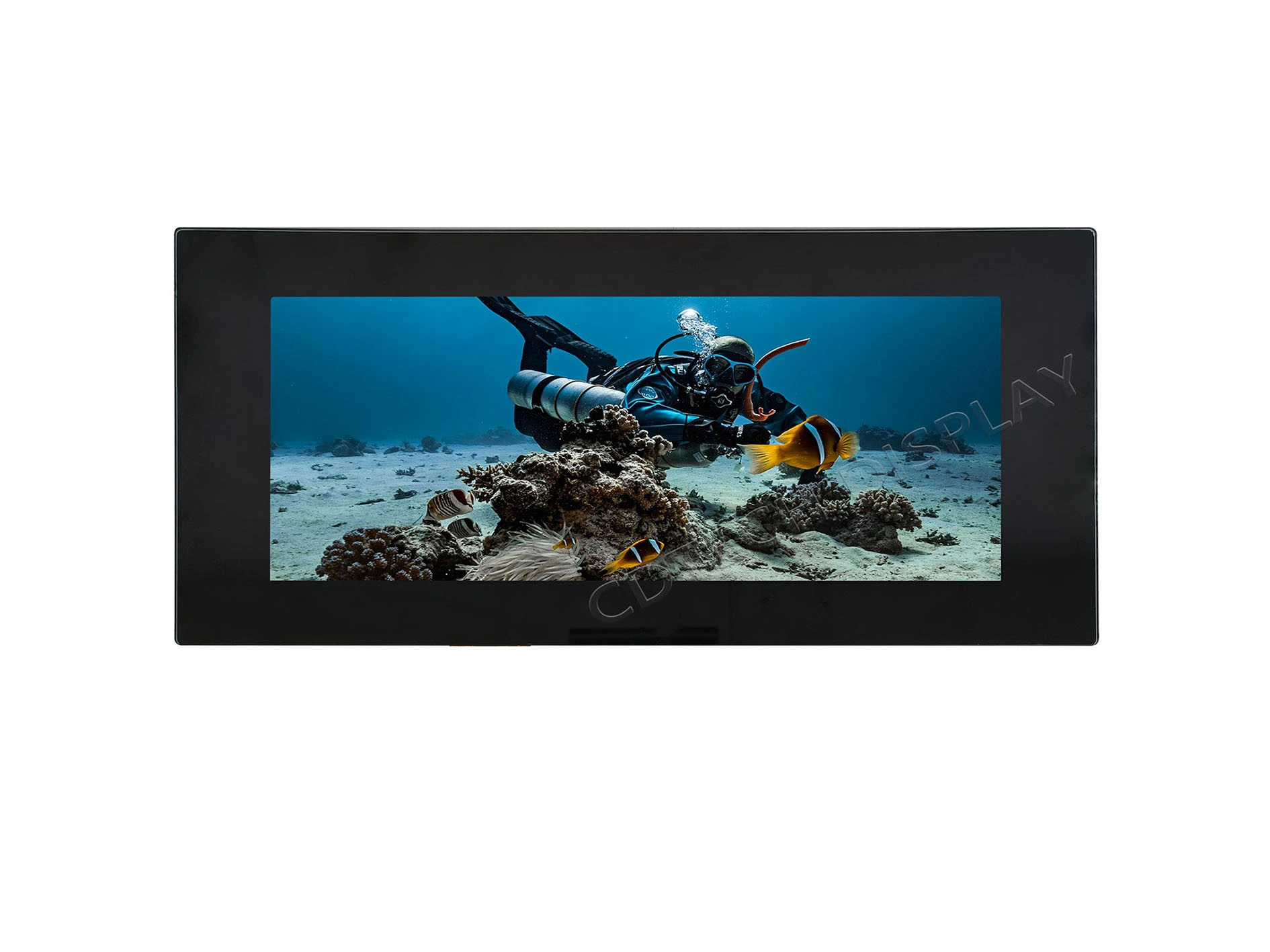
Square TFT Display
Size: S040BWX25NN-FC25-A
4.0″ · 720 × 720
Square Format · PCAP Touch · MIPI / I²C
Smart Home & Control Equipment
Bar-Type TFT Display
Size: 150HWU03FP-FC01
15.0″ · 1920 × 720
950 nits · OCA Optical Bonding · Wide Temperature
Agricultural & Industrial Equipment
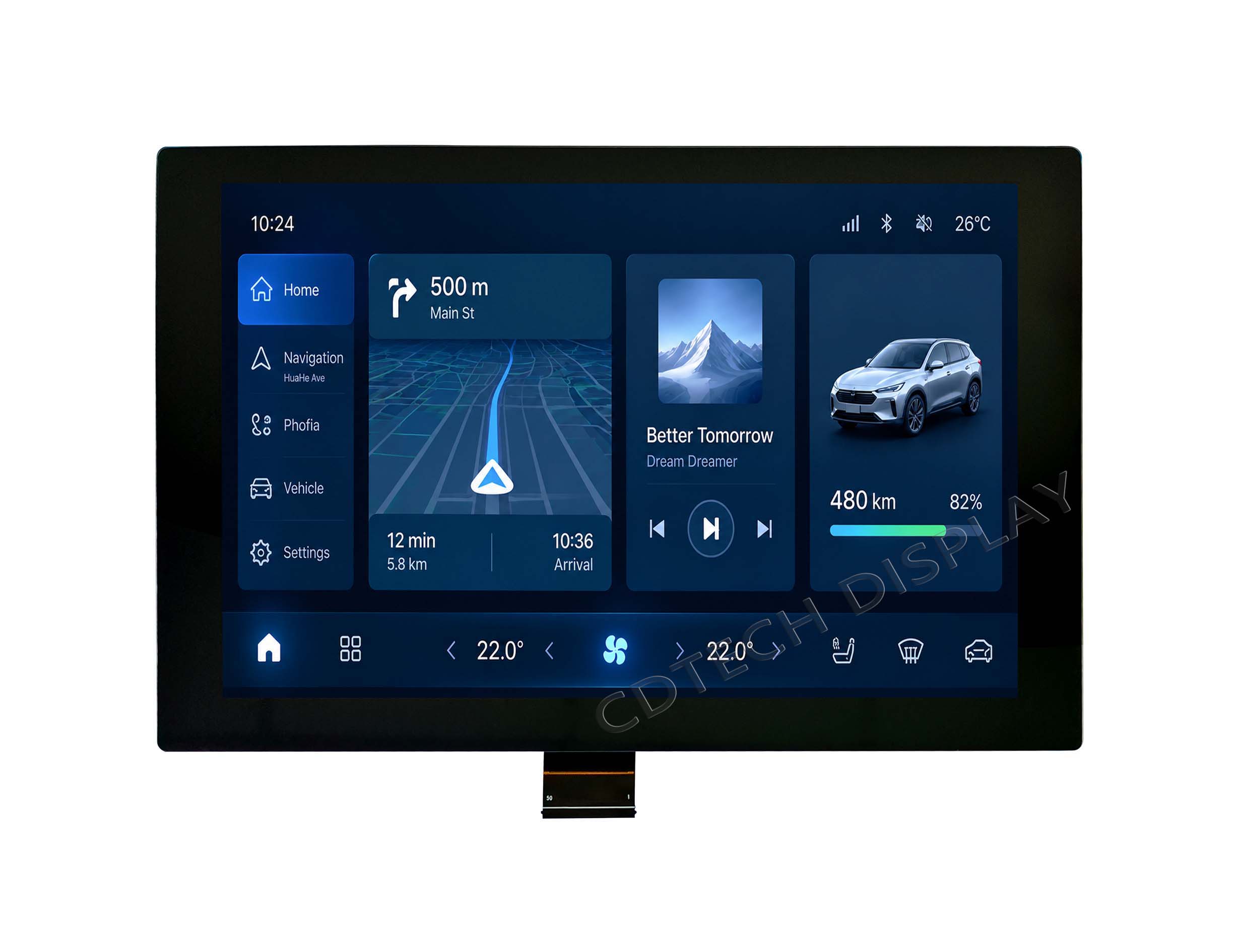
Landscape TFT Display
Size: S101ZWX108EP-FC70-AG
10.1″ · 1280 × 800
In-Cell Touch · AG Cover Glass · Custom Backlight
Automotive HMI
A: Yes. CDTech supports custom TFT LCD and touch display projects based on specific mechanical, optical, electrical, and environmental requirements. Depending on the selected display platform, customization may include display dimensions, brightness configuration, touch integration, FPC design, optical bonding, and interface configuration.
A: CDTech has developed LCD secondary cutting technology for selected display platforms. However, not all LCD modules can be modified. Feasibility depends on the panel structure, cutting dimensions, electrical layout, and mechanical design. Our engineering team reviews the requirements before confirming a solution.
A: Yes. Selected TFT LCD modules can be configured with PCAP capacitive touch, resistive touch, or other supported touch technologies. Options such as cover glass, touch controller, FPC, and optical bonding depend on the selected model and project requirements.
A: CDTech can evaluate compatible HDMI controller board configurations for selected TFT LCD modules. For touch-enabled configurations, USB or I²C may be used for communication between the host system and touch controller, depending on the design. Display signal and touch communication are separate interface paths.
A: CDTech supports engineering evaluation, sample development, testing, and production for custom display projects. NRE charges, MOQ, prototype lead time, and mass-production lead time depend on the selected display platform, customization scope, tooling requirements, validation activities, and estimated order quantity. These details are reviewed and confirmed in the project quotation.
A: To help our engineering team evaluate your project, please provide the display size, resolution, brightness, touch requirements, interface, mechanical dimensions, operating temperature, application, and estimated quantity. Existing drawings, product samples, or interface specifications are also helpful.
A: CDTech provides TFT LCD and touch display solutions for multiple application areas, including industrial equipment, automotive systems, medical devices, and smart home appliances. Product configurations and quality requirements are evaluated according to the specific application.
A: CDTech follows established Engineering Change Notification (ECN) and End-of-Life (EOL) management procedures for product and component lifecycle control. These processes help manage engineering changes, component discontinuation, and long-term supply considerations throughout ongoing OEM projects. Proposed changes to critical components or product configurations are subject to technical evaluation and applicable customer notification and approval procedures.
CDTech coordinates its sales, project management, engineering, quality, and customer service teams to support OEM display projects throughout development, production, and ongoing supply.
Depending on project requirements, technical communication and support may include:
– Project Coordination: Managing project requirements, development schedules, and customer communication.
– Engineering Support: Reviewing display specifications, interface compatibility, touch integration, and mechanical requirements.
– Quality Support: Coordinating quality requirements, issue analysis, and corrective actions.
– Customer Service: Supporting delivery coordination and ongoing project communication.
– CDTech also maintains established Engineering Change Notification (ECN) and End-of-Life (EOL) management procedures to support product change control, lifecycle planning, and long-term OEM cooperation.
Whether you need a custom TFT display, an LCD module with integrated touch, a non-standard display dimension, or a controller board configuration, CDTech can help evaluate your project requirements.
Share your specifications, drawings, or existing display sample with our team. We will review the technical requirements and discuss suitable customization options, development steps, and production considerations.
Send Your Display Requirements