PLS LCD vs IPS LCD: Which Display Is Better for Color, Gaming, and Everyday Use?
 2026-08-13
  10:00
10:00 

Hardware designers often look at PLS LCD vs IPS LCD. During this evaluation, simply picking a winning acronym is not the real goal. Instead, the right option relies on several specific details. These factors include the viewing angle and overall color consistency. Response behavior matters a lot, too. Furthermore, teams must consider power targets and the physical room left inside the final device. Both methods serve as solid display solutions made to show crisp pictures. However, the exact cell structure makes a big difference. Fine-tuning and final module assembly will also shift the actual performance outcome.
What Is the Real Difference Between PLS LCD and IPS LCD?
How do PLS and IPS control liquid-crystal alignment?
IPS LCD relies on in-plane switching. Because of this, liquid-crystal molecules turn flat along the screen layer. This specific setup keeps colors steady. It works perfectly even when a user looks from the side. PLS, or Plane-to-Line Switching, applies a similar layout idea. It features a clear electrode design. Manufacturers usually adjust it to deliver strong brightness. It also provides very wide viewing angles. In real-world use, several details are just as vital as the core screen technology. These details include factory settings and the polarizer grade. The backlight spectrum and the glare from the cover glass play a massive role too.
Does PLS LCD vs IPS LCD change color performance?
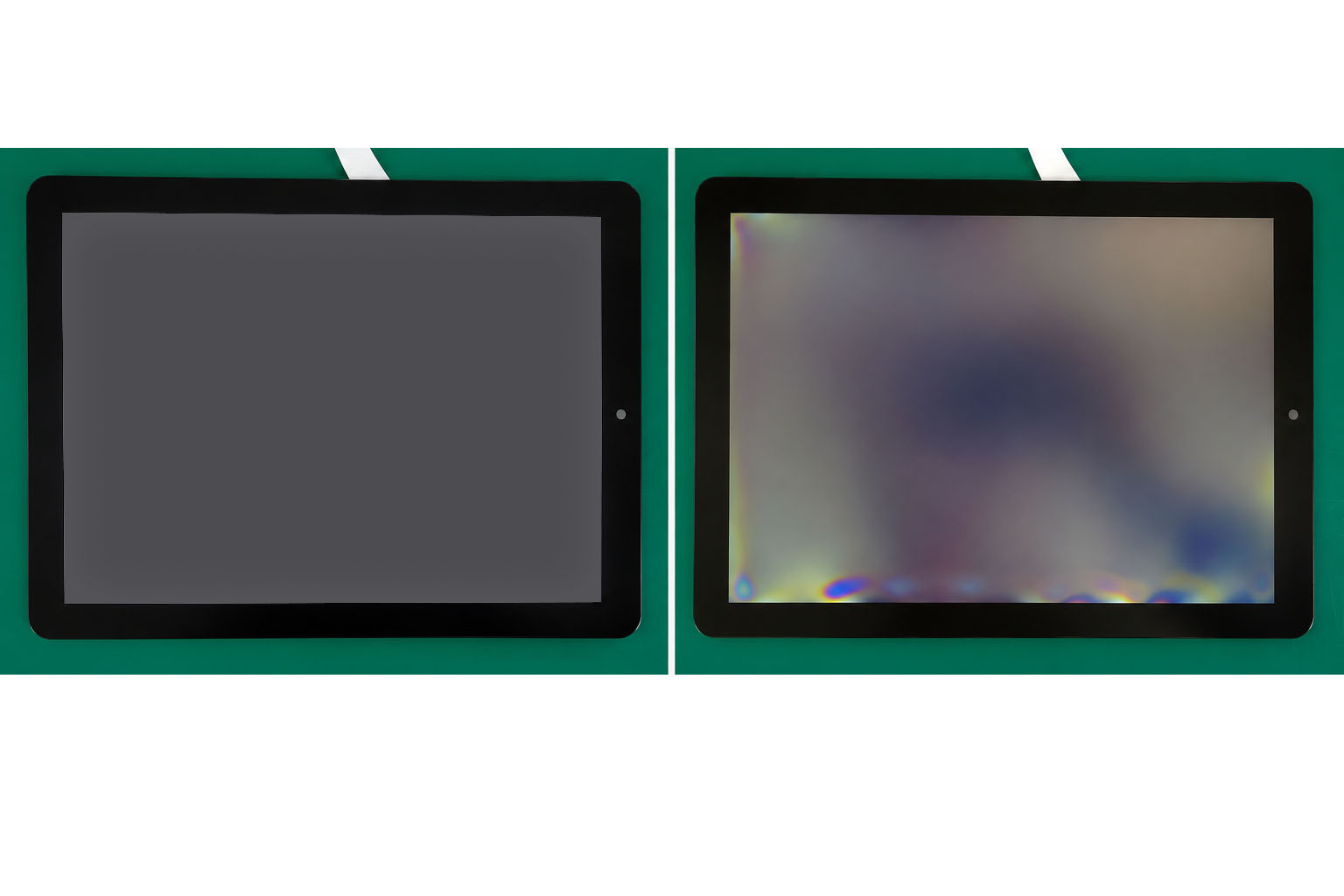
The difference between PLS LCD and IPS LCD is often subtle in a finished device. A well-tuned PLS LCD display can deliver bright whites and strong color uniformity, while a well-tuned IPS LCD display can provide natural tones and predictable grayscale. Buyers should compare measured gamut, delta-E, contrast, luminance, and viewing-angle data from the exact module instead of relying on a technology label.

During a specification review, comparing IPS LCD and PLS LCD requires a practical testing plan. It should not just end with a basic marketing decision. Instead, teams must test both options side by side. Make sure to examine the black level and the white-point drift. You also need to inspect the light uniformity near the panel edges. Additionally, check how well users can read the display through your planned cover lens. A PLS LCD panel often makes good sense for a bright control surface. On the other hand, an IPS LCD display might be the simpler route. This is usually true if your current software and calibration setup already supports IPS behavior.
Which Panel Performs Better for Gaming and Mobile Use?
Is PLS LCD vs IPS LCD better for gaming?
For gaming, response time, refresh rate, overdrive tuning, and motion clarity usually matter more than the PLS or IPS name. PLS can be a strong option when a design needs high brightness and a wide viewing cone. IPS can be preferable when a supplier has a mature, low-latency tuning profile.
What should buyers know about PLS LCD vs IPS LCD in mobile devices?
PLS LCD vs IPS LCD in mobile products is mostly a system decision. A mobile display must balance sunlight readability, thickness, touch stack, power draw, and optical bonding. A PLS LCD screen may look vivid at an oblique angle, while an IPS LCD screen may offer a familiar color profile across many embedded operating systems. The final result depends on the backlight driver, touch sensor, and firmware gamma table.
How Should a Team Evaluate Comfort, Touch, and Service Life?
Is PLS LCD vs IPS LCD better for the eyes?
No specific display technology is naturally safer for the eyes. Actual viewing comfort relies on several different factors. These include screen brightness and flicker levels. The blue-light spectrum also plays a major role. Additionally, your viewing distance, text clarity, and the room’s lighting matter greatly. A steady backlight is essential. Properly adjusted contrast is also very important. Together, these features help ease eye strain. They work much better than simply picking PLS LCD instead of IPS LCD based on the name alone.
Can a PLS LCD capacitive touchscreen remain responsive?
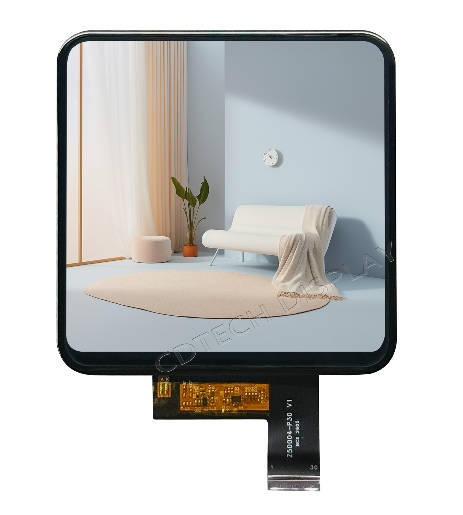
Yes, when the touch stack is designed as a complete module. A PLS LCD capacitive touchscreen still needs a compatible sensor pattern, controller, cover lens, FPC, and grounding plan. Mechanical pressure, moisture rejection, glove operation, and electromagnetic noise should be tested on the assembled product.
What affects an IPS LCD lifespan?
An IPS LCD lifespan is governed by LED backlight aging, thermal exposure, drive current, operating hours, and mechanical stress. The liquid-crystal cell does not define the whole service life. Request a backlight lifetime target, operating-temperature range, storage range, and aging-test method for the selected module. Thermal design around the backlight and driver board often decides whether a display remains uniform after years of operation.
For a long-life product, define the expected daily duty cycle and the acceptable luminance drop at the end of life. Ask for accelerated-aging evidence and a clear replacement plan for the backlight or complete module. This step is more useful than treating PLS LCD lifespan or IPS LCD lifespan as a single universal number because thermal load and drive settings vary by design.
How Can CDTech Help Select the Right LCD Module?
Which CDTech display suits a compact industrial interface?
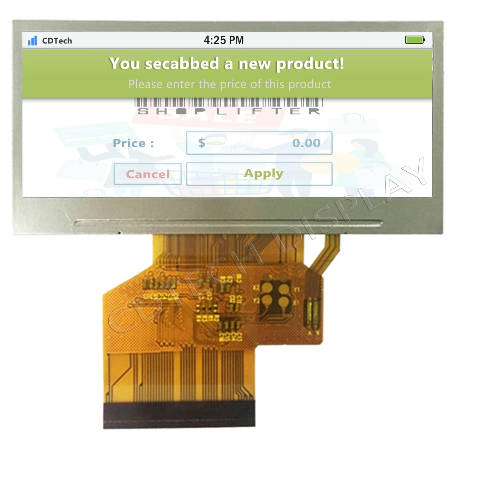
We use the application, enclosure, and signal budget to narrow the choice. Our 2.9-inch IPS TFT LCD module uses a 320 x 120 resolution, IPS all-viewing-angle construction, 300-nit luminance, and SPI plus RGB interface. The module is specified for -20 to +70 degrees C operation. Those details make the product a useful reference for compact instruments, status panels, and narrow industrial interfaces, subject to project validation.
What engineering support does CDTech provide?
We can review active area, outer dimension, FPC routing, touch integration, backlight current, optical bonding, and interface timing with the OEM team. Our industrial LCD display range covers standard and custom directions. For a small IPS implementation, engineers can also review the 2.9-inch IPS TFT LCD module and our IPS viewing-angle selection guide. We then align samples, validation checkpoints, and B2B enquiry requirements before volume planning.
FAQ
Q: Is a PLS LCD display better than an IPS LCD display for everyday use?
A: PLS LCD can be a good everyday choice when broad viewing angles and bright output are priorities. IPS LCD can be equally strong when color tuning, response behavior, and supplier validation are better documented.
Q: Is an IPS LCD display better than a PLS LCD for mobile screens?
A: An IPS LCD is often a smart option. You should choose it if your current setup already handles the timing and the touch controller. It also makes sense if you have the right calibration profile ready. Meanwhile, a PLS LCD is a great fit for different projects. This display works best if your new design requires very bright screens. It is also ideal for clear viewing from wide angles.
Q: How long does an IPS LCD display screen last?
A: The overall service life relies heavily on several key factors. These elements include backlight aging, environmental temperature, drive current, and total operating hours. You should request a model-specific LED lifetime target from your supplier. In addition, make sure to ask about their exact test conditions. Finally, you must verify the thermal performance once the unit is fully installed inside the finished enclosure.